Rabu, 31 Agustus 2011

Vegetarian Bodybuilding Diet Suggestions


In many cases, the idea of being a vegetarian as well as a bodybuilder was shamefully ridiculed. Many people think the proteins that are required to build and tone muscles can only be found in meats. But what they do not know is that a healthy combination of many different foods, combined with a group of carefully selected supplements and a vigorous workout routine can do wonders for vegetarian bodybuilders.7YGJ875P9PDU

Vegetarian Bodybuilding Diet Suggestions
  • The most important element that is required for bodybuilding is protein. Though protein is sufficiently available in meats, vegetarians will have to depend on other sources. The main protein sources for vegetarians are cereals, legumes, seeds and nuts.
  • It is important to include at least two or three sources of protein in every meal. A good example of such a combination is beans on toast. Here, beans fall under legumes while toast falls under cereals.
  • However, the most bountiful supplier of protein is soya products. They are so rich in protein that it is said they almost equal the amount of proteins found in meats. In more technical terms, the human body is able to absorb 92% of the proteins available in meats whereas the body can absorb 91% of the proteins available in soya products.
  • It is important to have other foods as well which provide the minerals and vitamins that are required for bodybuilding. Vegetarians must have plenty of fresh fruits and vegetables in their diets. 
  • A particular significance is placed on the combination of Iron and Vitamin C intake per day. The iron that is available from vegetables, called non-heme iron is different from that found in meat, called heme iron. Heme iron is much easier to absorb when compared to non-heme iron. 
  • However, if sufficient vitamin C is available in the diet, it will help the body absorb non-heme iron better. Citric acid and other acids found in fruits have a similar effect. A varied diet will mean that they will be receiving almost all the beneficial elements.
  • Aside from gaining nutrition from foods, vegetarians can also rely on a few supplements to receive the minerals that may not be found, or found in insufficient quantities, in vegetarian diets. 
  • Multivitamins, calcium or iron supplements are just a few examples of the vast range of supplements available. However, there are many enthusiasts who prefer keeping everything natural and not relying on factory-manufactured medication to become healthier. One important reason such pills are better avoided is that a number of them may accompany side effects if used for extensive periods of time.
  • And last but certainly not least, water is a very important component of every diet. But for workout diets, water is a vital element because it carries tremendous advantages for your health. It is what cleans the inside of our body, clearing it of pollutants. It also has other benefits such as keeping our skin healthy, assisting digestion and also lowers the risk of dehydration.
One point that should be noted is that it is always best to consult a health expert while fixing diets, especially for vegetarian workout diets. They will help you fix a balanced and nutritional food schedule that will work particularly well for you as not every diet can be useful for everyone.

It is also extremely important to recognize that bodybuilding diets should go hand-in-hand with an adequate exercising regime, and that the entire diets should be planned in accordance to the workout levels. Personal trainers might also have a say when planning the diet plans in terms of gross calorie counts, and could advise for different levels of calorie intake according to the strenuous levels of workout for any corresponding day.


Healthy Eating Ideas


Food is often considered one of the most prominent budgetary items in any household budget. Many households utilize coupons and other tactics to save money on food to guide their grocery choices. This is one of the reasons that many people opt for less healthy meal choices because they are often less expensive. Although some healthy food items may be expensive, it's still possible to eat healthy even on a tight budget.

Some Helpful Hints are Listed Below

Eliminate junk food
Sometimes shopping by yourself is a good thing. Children, especially, tend to pick out unwanted junk food. If you shop by yourself you won't feel obligated to buy that junk food. In addition, make sure that you are not going to the grocery store hungry! You will find many junk food options appealing during your state of hunger and you may pick up items spontaneously that are not necessarily the best option for your health, but rather serve your immediate cravings for hunger satisfaction.

Choose water or milk instead of soft drinks
When going out to an event or special occasion, it's okay to enjoy your favorite beverage, but you may want to choose the smallest size to save both money and calories. Adults and children alike need to have milk on a daily basis. Milk is an excellent source of calcium, which helps bones grow, and teeth become strong. It is amazing how much fat you can eliminate from your diet simply by choosing to drink water. In addition, water allows your caloric intake to taper since it contains no calories, and of course, no fat. Especially if you are a big soda drinker, you will experience a immediate feeling of health once you eliminate your body's dependency on caffeine and sugary beverages.

Buy fruit in bulk
It's often a good idea to buy fruit in quantities when in season. Fruit can always be frozen for future use. Make sure to wash and dry the fruit well, then freeze in plastic zip lock bags or containers. Remember to bring food out to the tables and counters in your home to serve as a reminder to eat them. Not only does a bowl of fruit add character to your décor, it also will lead to your increased fruit consumption and ultimately better health.

Eat lean meats and beans
Meats and beans are good sources of protein. Although you may pay slightly more for some lean meats, canned beans can save money and are a good source of protein. You get a great deal for less money. You can save even more money if you purchase dry beans and cook them yourself. Beans can be cooked in bulk and can be frozen for uses over longer periods of time. There are also many creative recipes that can be made with different selections of beans. Check out all the options and select ones that suit your taste buds on your road to better health.

Use beans as a substitute for meat
Using beans as a substitute for meat is a great way to save money and calories. Beans can be prepared in many ways (such as a crock pot), so you can also spend less time cooking.

The USDA recommends eating beans at least four times a week. Make sure to wash the beans properly and bring the water to a boil before you cook them, and you will avoid the potential for any embarrassing “gassy” moments.

Eat fish
If you live near a coastal area or anywhere fish are readily available, you may even be able to skip the market and catch them yourself, which is a definite money-saver! Make sure that you follow all the standard precautions for cooking and eating fresh fish, and if you are storing fish for later consumption, make sure that you follow all the standard guidelines to prevent health issues that could arise from eating food that is unhealthy for consumption.

Eat Peanut Butter 
Peanut butter is a popular food product that can be used in a variety of ways. Substitute peanut butter for meat in a sandwich. It can be bought in bulk or large jars, and can be stored for weeks or even months. There are many additional ingredients that can be added to a sandwich to make your meal more interesting, not just jelly!

Fill up on foods that are high in water content
Some examples are high water-content foods include watermelon, salads, and sugar free gelatin. This will help fill your stomach, but limit the fat and calories that you are taking in.

You can't go wrong with eating healthy, and it's even possible to eat healthy on a budget. In other words, you don't have to be rich and famous to have the lifestyle and health you've always wanted.

Top 10 Healthiest Foods for Eat and Health Benefits


A common misconception when it comes to healthy eating is that healthy food has a characteristically indescribable taste: Healthy. Well, dismiss that frame of mind right now and never let it return; that is an utterly false belief. Healthy is not synonymous with gross. Quite frankly, healthy foods come in all shapes, sizes, and tastes, and shouldn’t be subjected to this unfair assessment.

It is possible to combine scrumptiously nutritious foods and end up with a tasty meal or perfect snack. Here are 10 of the healthiest foods (some of which may be surprising), and ways to incorporate them into your eating habits.

Top 10 Healthiest Foods

Potatoes
Contrary to popular belief, potatoes are more than just starchy vegetables that shouldn’t be touched. True, they are a carbohydrate heavy food, but not a refined source of carbohydrates, and they provide additional health benefits that shouldn’t be dismissed. Sweet potatoes in particular are filled with healthy nutrients. The orange color indicates they are chock full of beta carotene, which is essential for proper visual function, physiological processes, and its potential antioxidant quality. This 140 calorie vegetable also contains a hefty percentage of the RDA of vitamin C, calcium, iron, and fiber. Its low sodium content makes it an ideal choice, especially in during winter when they are at their peak. Try making them into baked sweet potato fries or a sweet potato casserole for the next family gathering.

Milk (1% Low-Fat or Skim)
Milk is one of the most potent beverages and wisest choices in terms of nutrient density. Its abundance of calcium and protein makes it ideal for growing children and adults. The low-fat and skim milk options are virtually fat free and the cholesterol content is negligent. Milk can be eaten with cereal or oatmeal, mixed with a squirt of chocolate syrup, or used in baked goods.

Broccoli
Broccoli is a dark green cruciferous vegetable that provides doses of potassium, folate, fiber, and calcium. It also has considerable amounts of vitamins C, K, and A, which provide antioxidant benefits along with other physiological functions, such as aiding with blood coagulation processes with the vitamin K. Other than this, broccoli has trace amounts of just about every vitamin and mineral, making it a superb vegetable choice. Melt 1 or 2 ounces of cheese over steamed broccoli with a few cracker crumbs on top. This makes for a crunchy, satisfying side dish.

Leafy Greens
Leafy green vegetables, including spinach and kale, or simply full of vitamins and nutrients essential to bodily functions. They have manganese, folate, vitamins A and K, and fair amounts of iron and magnesium. You may be wondering what all of these vitamins and minerals are good for: well, as a collective group, just about everything! Eating spinach can help protect against osteoporosis and arthritis by reducing inflammation. Toss fresh spinach in a bed of mixed greens for a tasty and nutritious salad.

Blueberries
Have you ever heard the saying, “blueberries are good brain food”? Well, this may very well be true. They are said to help with short-term memory. Berries, especially blueberries, are rich in antioxidants, which help protect body cells and possibly prevent the development of cancer. A whole cup has about 80 calories. The fiber and vitamin C content aid in digestion and immune system protection, respectively. These baby blues are full of phytonutrients as well, making for the perfect fruit snack. Top a low-fat vanilla yogurt with a handful of blueberries for a delicious breakfast.

Salmon
Omega-3 fatty acids in fish are the most attractive component for its nutritional benefits because of its essential role in brain function and growth and development. Salmon is an exceptionally good source for this fatty acid that our bodies cannot make on its own. Grill salmon with a little seasoning and serve over a serving of rice pilaf for a satisfying meal.

Oats
Oats have a special fiber that has been shown to lower cholesterol. Eating high fiber foods is said to reduce the risk of heart disease. In addition, they are high in manganese. Having a bowl of oatmeal in the morning with a teaspoon of cinnamon sprinkled on top with keep you full until lunch, and provide you with a plentiful serving of daily fiber.

Garlic
Garlic is an herb known for its therapeutic effects. It is a good source of manganese, selenium, and vitamins B6 and C. Garlic consumption is said to reduce the risks for heart disease and atherosclerosis, and have other cardiovascular benefits. Garlic is a multifunctional herb because it can be added to just about any dish, usually in the early stages of cooking, so its flavor penetrates the entire item.

Tomatoes
Tomatoes are an excellent source of lycopene, which is an antioxidant with caner-preventing properties. Use chopped tomatoes in place of canned in any recipe for a fresh, juicy taste.

Nuts
Yes, nuts are rather high in calories and (unsaturated) fats, but they are rich in protein, fiber, and phytonutrients. Walnuts and almonds are a good source of Omega-3 fatty acids, which can help lower LDL cholesterol. Grab a handful for a satisfying afternoon snack.

Health Benefits of Ginger


For thousands of years people have regarded ginger as a respected and effective medicinal ingredient, but do you know the ginger health benefits? The most medicinally valuable part of ginger is the part that people frequently call the root. It is actually a stem of the plant that happens to grow underground. This stem can be credited for many ginger health benefits.

Health Benefits of Ginger
  • Ginger is perhaps best known for its benefits to the digestive process. It helps to break down fats and proteins to facilitate and accelerate digestion. It relieves gas and nausea as well, so for those suffering from morning sickness or motion sensitivity, ginger is a wonderful curing agent.

  • Ginger also reduces inflammation. This means that it is an effective treatment for diseases like arthritis and colitis. As a warming herb, ginger is also a weapon to fight off fevers. 

  • It is an excellent stimulant for blood circulation, which makes it useful for muscle relaxation and the prevention of blood clot formation. Since it has warming properties, ginger can be used as a decongestant or antihistamine. It is a multi-purpose treatment for cold symptoms!

  • Ongoing studies continue to investigate the healing potential of this fantastic herb. Research suggests that ginger may lower cholesterol levels by reducing absorption of LDL cholesterol. In various animal trials ginger has been shown to slow cancer growth.

  • Ginger contains anywhere from 1 to 4 volatile oils, active components that account for both its pungent flavor as well as all ginger health benefits. 

  • All of these oils produce more digestive enzymes in the body. These in turn neutralize acid and aid in digestion so that the digestive process runs smoothly without side effects like cramps, nausea and diarrhea.

  • Ginger also contains something called zingibain. This is a specific enzyme with a superior ability to break down proteins. Research shows that proteolytic enzymes like zingibain have anti-inflammatory capabilities. Zingibain is also antibacterial, so it fights off cold and flu bugs. 

  • Ginger also contains about a dozen antioxidants which work to neutralize substances in the body that cause inflammation and disease.

  • Ginger is considered a safe and natural herb for human ingestion. If ginger is applied to the skin however, some people experience topical rashes. 

  • In powder form ginger is very strong so you should watch how much you take. It is important to measure and monitor your dosages. Too much powdered ginger can cause unwanted side effects like gas and bloating.

Generally for indigestion you want to take 2 to 4 grams of ginger per day. If you are expecting to feel motion sickness and want to avoid it, take 1 gram of ginger a half hour before you travel, and then a half gram every 4 hours after that. Many pregnant women experience morning sickness and use ginger as a natural and safe remedy. However, in pregnant women extended use should be avoided. Limit ginger intake to up to 1 gram per day.

If you’re experiencing any of the symptoms that ginger targets, crush some raw ginger “root” and mix it into a cup of tea. Add honey to sweeten it if you like. If you prefer to incorporate ginger in cooking, it is a wonderful complementary flavor to add to various dishes. Ginger goes particularly well with garlic.

Health Benefits of Raw Honey


Honey is a sweet edible substance that is produced by certain insects from the nectar of flowers. Raw honey, as the name suggests, is completely natural honey that is unprocessed, unheated and unfiltered. It is the purest form of honey that can be offered by nature.

Honey loses all the natural goodness when it is heated and filtered in order to give it a ‘clear’ appearance. Raw honey may not look as clear and smooth as commercially produced honey, but it is a far better alternative, as it contains all the undisturbed nutrients from nature. Raw honey also has a distinctive natural aroma and flavor that is indicative of the particular flower that it has been extracted from.

Health Benefits of Honey
  • Honey has been recognized for its healing benefits – it is antiseptic, antibacterial, anti fugal and antibiotic. 

  • Raw honey is quickly absorbed by the body, and is also known to help with stomach and digestion problems. 

  • Eating honey prevents indigestion and also boosts appetite. Honey has also been used for the treatment of stomach ulcers and acidity. Moreover, honey heals allergies and burns on the skin, and is very good for sore throats as well.

  • Raw honey plays a part in beautification too. It can be used as a moisturizer on skin, and also as a treatment for various skin, hair and scalp problems. It contains antioxidants, and thus can be consumed or applied as an anti-aging potion.

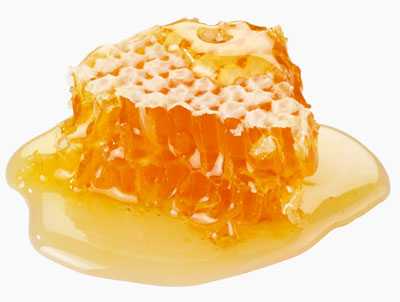
  • Honey can come in a variety of physical forms. One of the most popular forms of pure honey is comb honey, which is basically sold as sections of honeycomb cut and put in jars without any form of processing. It tastes like chewy candy, and is more expensive than other kinds.

  • Then there is creamed honey, in which the crystallization is controlled in order to make it a smoother. Creamed honey, also known as whipped honey, contains a large amount of small crystals that make it appear more like butter, allowing it to be used as a spread. 

  • There is also liquid honey, which is usually strained to remove honeycomb wax or other particles, but still contains pollen, enzymes and other natural minerals. 

  • Heating is perhaps one of the most harmful processing that can be done on honey, as it breaks down the enzymes and thus destroys the nutritional value of natural honey.

  • Raw honey is a great alternative to sugar as a sweetener, and is also enriched in natural nutrients that are not available in sugar or in processed honey. 

  • Raw honey offers health benefits for a number of stomach or skin troubles. There truly exists no sweeter match to the goodness that raw, pure honey has to offer.

The flavor of honey is usually determined by its colour. Generally, a lighter-colored honey is milder in taste while a darker colored honey has a fuller flavor. Granulated honey is normally lighter in color, which is why creamed honey appears that way.

There are different grades to measure the quality of honey. Grade A being good honey, Grade B being reasonably good, Grade C honey is fairly good, while Grade D is considered poor. Raw honey is usually Grade A honey, as it is natural and has not been tampered with.

Health Benefits of Green Tea


Green tea is known to offer remarkable health benefits to people who consume it on a regular basis. It has its origins in China although it is now manufactured in several parts of the world. Ready-to-consume green tea is produced from Camellia sinensis, a tea plant. A special technique involving very minimal oxidation levels of the leaves is employed in producing Green tea from Camellia sinensis leaves. This is what sets it apart from other types of tea and allows it to provide the human body with innumerable health benefits.

A few of the major Green tea benefits are listed below

Weight Loss
One of the most popular and widely known Green tea benefits is weight loss. Green tea works to improve the metabolic rate of the body. In other words, it helps in burning fat from the body at a much faster rate. This happens due to the presence of caffeine and catechin polyphenols present in Green tea. Approximately 70 extra calories can be burned in a day solely by drinking four to five glasses of Green tea. This is especially helpful to people who have hit a weight-loss plateau and are in need of a boost to the metabolism.

Antioxidant
The large amounts of antioxidants that form a part of Green tea are responsible for several of its benefits. During the production of Green tea, the leaves do not undergo heavy processing which keeps its antioxidants intact. The disease fighting ability of Green tea is mainly due to the powerful antioxidants it contains. It has abundant quantities of epigallocatechin gallate. This antioxidant is very effective in protecting cells and ridding the body of malignant ones. It does not create any side effects in the process.

Cholesterol levels
Green tea benefits us greatly by keeping in check the level of bad cholesterol (LDL) while simultaneously raising good cholesterol (HDL).

Remedy for type 2 Diabetes and blood pressure
Being a rich source of polyphenols and polysaccharides, Green tea helps in lowering of the sugar level in the blood as well as blood pressure. It is therefore considered to prevent the onset of Diabetes, mainly Type 2. The lowering of blood sugar levels also helps in controlling cravings for carbs and other foods that are sugary in nature. Angiotensis II is a chemical that makes the blood vessels within the body choke. Green tea has the ability to smother this chemical keeping blood pressure under control.

Skin Problems
Green tea is a natural solution for any skin-related concern such as blemishes and wrinkles. It is also a solution to other skin problems such as warts, psoriasis and acne.

Elevated immunity levels
Green Tea possesses certain antiviral properties that prevent the onset of contagious diseases and flu. It kills bacteria such as clostridium and staphylococcus when they enter the body. The bronchial tubes are protected by Theophylline in Green tea. This greatly eases the suffering of asthma patients. The antibacterial properties of Green tea prevent tooth decay by destroying harmful germs.

Arthritis
Green tea can keep arthritis at bay by stifling enzymes in the body that cause damage to bone cartilage.

Alzheimer’s and Parkinson’s
When the level of the chemical acetylcholine reduces in the brain, Alzheimer’s disease could be caused. Green tea has the ability to slow down the reduction of acetylcholine, thereby slowing down the onset of Alzheimer’s. Green tea can also protect brain cells against destruction. This greatly reduces the chances of contracting Parkinson’s disease.

HIV
As mentioned before, Green tea has antibacterial properties that reduce the ease with which viruses such as HIV can get attached to healthy cells of the body.

Green tea has been avoided by many, owing to its bitter taste. However, it is important to realize that if brewed in the correct manner and proportions, Green tea benefits would not only be enhanced, it would also make for a great choice of beverage that is full of good taste.

Health Benefits of Red Wine


If you thought that red wine only tasted good, here is something to feed your mind – red wine can benefit your health as well. When taken moderately, red wine can have a healthy effect on your heart.

Red wine has long been reflected as to provide health benefits, and a good deal of research has also been conducted to prove the assumptions.

Health Benefits of Red Wine
  • Rich in antioxidants, red wine is known to cut down on bad cholesterol, prevent artery damage, and reduce the risk of heart diseases. Although there are no clear evidences as yet to how red wine really helps the body, many researchers believe that the constituents in red wine may just be the answer.

  • Red wine is a rich source of antioxidants such as flavanoid phenolics, and resveratorol. Flavanoids, found in red grapes, are potent antioxidants that can act as cancer preventives. 

  • Resveratrol, a naturally occurring antioxidant found in the skin of grapes, is known to prevent blood clots, and reduce bad cholesterol (LDL cholesterol), thus reducing the risk of coronary heart diseases. 

  • Research on resveratrol suggests that these substances can reduce stickiness in blood platelets, thus opening the blood vessels, and allowing more flexibility. Resveratrol also restrains the growth of stimulating enzyme responsible for the growth of cancer-cells.

  • However, much of the research regarding the benefits of red wine and resveratrol has been conducted on animals. Resveratrol has shown to decrease obesity and diabetes in mice, both of which constitutes to the development of heart diseases. 

  • Studies have also depicted that the resveratrol in red wine may help to reduce inflammation in the immune system, both in the acute and chronic phase.

  • Reservatrol may aid to slow down the development of dementia as well. Wine is the prime dietary source of resveratrol, and red wine has more amounts of resveratrol than white wine, thus providing more health benefits. 

  • Red wine also contains polyphenols, yet another antioxidant, that lowers the blood pressure and stimulates the immune system; it also possesses anti-bacterial properties that can help to inhibit ulcer infections.

  • Alcohol in itself is beneficial to the body, but only when taken in adequate amounts. Alcohol raises the level of HDL cholesterol (high density lipoprotein), also known as ‘good’ cholesterol, and aids in preventing artery damage caused by ‘bad’ cholesterols. 

  • It also reduces the formation of clotting in the blood which can result in artery blockage. Reported heath benefits of red wine include - relieving common cold symptoms and respiratory diseases such as bronchitis; building stronger bones; helping with Alzheimer’s disease and Dementia; reducing obesity, and aiding longer lives.

  • A glass of red wine presumably relaxes the mind and reduces stress, thus helping the body to cope with diseases quickly and effectively. 

However, any alcohol, including red wine, can become addictive, so it is important to limit the intake to a glass (about 5 ounces) or two everyday. Excessive drinks may result in high blood pressure, liver diseases, migraine, and a number of other side effects. Alcohol consumption is also discouraged for pregnant women, as it may cause harm to the fetus inside.

Nevertheless, adequate amount of red wine is beneficial to the body, and there is no doubt to that. So the next time you enjoy your glass of wine, reflect upon the benefits it provides to your body, and it may just deepen the pleasure of the whole drinking experience!

Health Benefits of Aloe Vera


Aloe Vera is a plant that has been used for thousands of years for its healing benefits. You may have heard of using aloe vera on your skin to soothe a sun burn, but that is only one of the great uses of aloe vera. Aloe vera is a wonderful source of the Vitamin B12. Most sources of B12 come from animal products, but aloe vera offers a vegetarian source of the important vitamin.

Not only does it contain B12 but several other minerals that are important for the health of our bodies. Aloe vera also contains calcium, protein, zinc, magnesium, vitamins A, and E, germanium, essential fatty acids and amino acids.

Health benefits of Aloe Vera
  • It has been studied around the world and results show that aloe vera offers wonderful support for our immune system and helps ward off illness of all sorts.

  • Aloe vera is a versatile plant that can be used both internally and externally, offering multiple benefits for the skin as well as for the inside of our bodies. 

  • The benefits of aloe vera have been broken down into three groups, including, anti-bacterial, anti-viral and anti-inflammatory. 

  • When used on the outside of the body, aloe vera can help cure many ailments dealing with the skin. Conditions of the skin that may benefit from the use of aloe vera are minor cuts, scrapes, burns, sunburns, razor burn, acne, dandruff, dry skin, eczema and psoriasis.

  • When taken internally in the form of a juice, aloe vera can offer even more rewards. Because the aloe vera is so rich in nutrients it is able to serve many purposes. 

  • Aloe vera helps the body release pepsin, which is the gastric juice enzyme that we need to digest our food. This helps conditions such as ulcers, irritable bowel syndrome, heartburn, constipation, colitis and any other digestive tract irritations.

  • Aloe vera also raises the white blood cell count which is a wonderful thing for people suffering from cancer and anyone that is trying to fight a virus, tumor or infection. For this reason it can help people fight off common colds, viruses or help those that have been battling a long term condition. 

  • Those with HIV or other diseases that cause the immune system to be weakened can benefit from taking high doses of aloe vera.

  • As with any new supplement you should try a low dose first to make sure you do not have an allergic reaction. The same applies for using aloe vera on the skin. Most people do not have allergies to aloe vera but you should always test a small amount on the skin to be sure you do not have a reaction before applying to a large area of the body. 

  • It is also recommended to talk to a medical professional or a dietician before taking aloe internally. This way you can find the right dose for you and make sure it will not react with any other medications you are currently taking. 

  • Aloe vera supplements are not recommended for women who are pregnant or lactating.

Aloe vera has been helpful in many other conditions as well. A lot of people that take aloe vera daily begin noticing an overall increase in energy. They also report that several of the health issues they have been dealing with start to lessen. Some of the other ailments that people have reported relief from include, kidney and bladder infections, yeast infections, leg cramps, insomnia, arthritis, asthma, clearing of intestinal parasites and hemorrhoids.

Selasa, 30 Agustus 2011

Health Benefits of Garlic


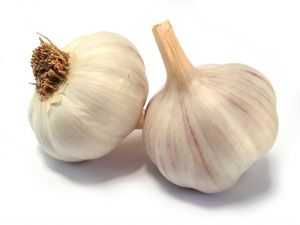
Garlic health benefits are outstanding and far reaching. This strange looking bulb is nicknamed the “stinking rose” because it is so odorous when cut, chopped or chewed. Many scientific studies have been done now that substantiate the many health benefits of garlic. It has been confirmed as being an excellent anti-viral as well as an anti-bacterial and an anti-fungal substance. It is a powerful antioxidant with anti-inflammatory properties.

Taking garlic in the form of garlic powder or salt does not provide the health benefits mentioned above. To obtain the many garlic health benefits of garlic it is best to eat fresh raw garlic.When you cook garlic the heat will destroy the antibiotic health benefit of allicin.

Health Benefits of Garlics
  • Garlic health benefits include lowering blood pressure and cholesterol levels. Eating garlic every day will thin the blood and prevent dangerous blood clots from forming. Garlic has a compound in it called ajoene. This compound is as strong as aspirin is to prevent blood platelets from clumping and sticking together. Preventing blood platelets from sticking together can prevent strokes and heart attacks. 

  • Another compound found in garlic is diallyl sulfide. This compound is needed by the liver to detoxify cancer causing chemicals. The sulfur compound in garlic inhibits the growth of tumors on the skin, breast and in the stomach. The bioflavonoids in garlic help to fight off cancer cells as well. 

  • Garlic is also beneficial in keeping ones immune system up to par. 

  • Fresh raw garlic also has vitamin C, B6, selenium, magnesium, potassium, calcium and manganese in it. It is used to treat skin infections like Athletes's foot, herpes, digestive disorders, lung infections, diarrhea, warts and coughs and colds.

  • If you eat garlic fresh and raw you will be getting the benefit of its detoxifying properties. This will help rid your body of harmful bacteria and intestinal parasites as well. 

  • Some people even include fresh raw garlic in their vegetable juice. You can also add fresh chopped raw garlic to soups and salads as well as mixed in your mashed potatoes for instance. Some people even eat fresh whole garlic cloves alone. 

  • If eating fresh raw garlic is not something you can tolerate you can take garlic supplements or garlic oil capsules. There are some on the market that are odorless. The many garlic health benefits to the human heart have been known about for years. 

  • Not only can garlic lower blood pressure and cholesterol as well as triglyceride levels thereby preventing heart attacks and strokes, but it can aid the body in producing nitric acid in the blood vessels. Nitric acid in the blood vessels is what allows them to dilate and dissolves blood clots. It will also prevent the oxidation of LDL or bad cholesterol in arterial walls. 

  • Garlic also contains folate which is known to protect the entire cardiovascular system in the human body. Garlic also reduces your risk for developing colon cancer, oesophageal cancer and stomach cancer. 

  • Garlic also contains selenium which is another powerful antioxidant. 

  • Garlic health benefits diabetes patients as well. It can help deter the damages done to the kidneys, eyes and nervous system that diabetes causes. 

  • It can help reduce the side effects caused by high blood sugar and fats in the blood. Garlic is an all natural detoxification substance. It can remove heavy metals and led from your system. 

  • Colds and lung congestion is helped by taking garlic.

All kinds of garlic health benefits can be enjoyed by eating fresh raw garlic everyday or by taking organic high potency garlic supplements every day.

Calories in Alcohol


Did you know that a glass of wine has the same calories as a slice of cake? How about a pint of lager – surprised to hear it’s the calorific equivalent of a burger?
In a 2009 Department of Health survey of 2,000 adults, four in 10 admitted they didn’t know those facts about calories in alcohol.

Alcohol is full of empty calories. High in carbohydrates and sometimes high in fat (from cream based drinks), alcohol is an easy way to cut from your diet and help your waistline.

A typical cosmopolitan is 150 calories and a pint of beer is 110-200 calories. If you want a killer drink, literally, a pina colada has 300-600 calories in a glass. That is more than a Big Mac! Cream drinks like the pina colada use coconut cream, heavy cream or some other cream.

Calories in Alcohols


ItemCalories
Beer, 12 fl. oz. 145
Beer, light, 12 fl. oz. 100
Liquor, 100 proof, 1 fl. oz. 83
Liquor, 80 proof, 1 fl. oz. 65
Liquor, 86 proof, 1 fl. oz. 70
Liquor, 90 proof, 1 fl. oz. 74
Wine, 4 fl. oz. 100

Calories in Fish


Fish are great when served with fresh vegetables, a small side of potato gratin, or even a salad. The table reveals the number of calories in fish per 100 grams (3.5 oz). It is difficult to accurately show the calorie content per fish portion as size differs between individuals and products, therefore the values are displayed for comparison purposes.

Fish help Weight Loss
If you want to reduce weight, white fish or oily fish is a great food option for a healthy weight loss diet, as it has a low calorie-content. In general, calorie-controlled diets recommend a high intake of fish. In addition to energy content, dietary nutrition is also important, as a nutritious diet helps the body to burn calories faster and maintains a healthy metabolism. So as well as calorie-counting, check food labels for nutritional value. Nutritional and energy values provided on most of the above food pages include: vitamins, minerals, folate and dietary fiber, as well as protein and carbs.

Fish is an excellent food, especially if you are watching your weight and health.
  • Generally the calories in fish are on the low side

  • Fish is a great source of protein

  • Fish contains lots of vitamins and minerals

  • Fish is low in saturated fat

  • Fish is rich in omega-3 fatty acids

Calories in Fishs


ItemCalories
Alaska King crab, 1 leg 129
Alaska King crab, steamed, 4 oz. 109
Blue crab, steamed, 1 cup or 4.8 oz. 138
Catfish, fried, 4 oz. fillet 259
Catfish, raw, 4 oz. 132
Clams, canned, 1 can 112
Crab cakes, 1 2 oz. cake 93
Crab meat, canned, 1 cup or 4.8 oz. 133
Crab, deviled, 1 cup 451
Crab, deviled, frozen, Mrs. Paul's--1 cake 170
Crayfish, steamed, 4 oz. 129
Croaker, fried, 4 oz. 251
Croaker, raw, 4 oz. 119
Dolphinfish, raw, 4 oz. 97
Eel, baked, 4 oz. 267
Fish sticks, Mrs. Paul's, 4 sticks 200
Fish, breaded and fried, 3 1/2 oz. 250
Fish, raw, broiled, poached, 3 1/2 oz. 140
Flounder, baked, 4 oz. 132
Flounder, fried, 2 fillets, Mrs. Paul's 270
Halibut, broiled, 4 oz. 194
Mackerel, Atlantic, baked, 4 oz. 297
Mackerel, Spanish, baked, 4 oz. 179
Oysters, canned, 1 cup or 9 oz. 179
Oysters, fried, 6 medium, or 3.14 oz. 173
Oysters, steamed, 12 medium, or 3 oz. 117
Perch, baked, 4 oz. 132
Sardines in oil, drained, 3 3/4 oz.--Atlantic 192
Sardines, tomato sauce, 3 3/4 oz. 189
Scallops, frozen, Mrs. Paul's--3 1/2 oz. 230
Scallops, fried, 4 oz. or 7 large scallops 242
Scallops, steamed, 4 oz. 127
Shad, raw, 4 oz. 223
Shark, raw, 4 oz. 148
Shrimp, fried, 4 oz. 275
Shrimp, fried, frozen, Mrs. Paul's--3 oz. 200
Shrimp, steamed, 4 oz. 112
Surimi, 4 oz. 116
Tuna, bluefin, steamed, 4 oz. 209
Tuna, canned in oil, 1 6 1/4 oz. can, drained 331
Tuna, canned in water, 1 6 1/4 oz. can 234

Calories in Sauces


Looking to add the right flavor to your dinner entree? Here you will find a wide variety of nutritious sauce, marinade, salad dressing, and gravy recipes from which to choose from. All of our delicious recipe choices were created with your health in mind, providing you with the nutritional value you need in a low-calorie recipe. Try our flavorful cilantro yogurt dip recipe or our zesty, low-calorie tomato sauce recipe. You won't be disappointed with healthy sauce recipes like these

Energy Content of Sauces
If you want to lose weight, adding a sauce to your food is only likely to add extra calories. In general, calorie-controlled diets recommend having sauces "on the side". In addition to energy content, dietary nutrition is also important, as a nutritious diet helps the body to burn calories faster and maintains a healthy metabolic rate. So as well as calorie-counting, check food labels for nutritional value. Nutritional and energy values provided on most of the above food pages include: vitamins, minerals, folate and dietary fiber, as well as protein and carbs. Understanding diet nutrition makes calorie control and weight management easier and helps you to follow a healthy eating plan. See also Nutrition in Sauces

Calories in Sauces


Souces NameCalories
Au jus gravy mix, with water, 1 cup 19
Barbecue sauce, 1 tbsp.--Hunt's 20
Brown gravy mix, with water, 1 cup 9
Catsup, 1 tbsp. 18
Chicken gravy mix, with water, 1 cup 83
Enchilada sauce, hot, 1 cup--Old El Paso 120
Enchilada sauce, mild, 1 cup--Old El Paso 100
Mayonnaise, 1 tbsp. 100
Mayonnaise, 1 cup 1577
Mayonnaise, Weight Watchers, 1 tbsp. 50
Miracle Whip, 1 tbsp. 70
Miracle Whip Light, 1 tbsp. 45
Mushroom gravy mix, with water, 1 cup 70
Mustard, brown, 1 tsp. 5
Mustard, yellow, 1 tbsp. 10
Pizza Quick sauce, Ragu, 3 tbsp. 35
Soy sauce, 1 tbsp. 12
Spaghetti sauce, basil, 1 cup--Classico 100
Spaghetti sauce, beef-pork, 1 cup--Classico 140
Spaghetti sauce, mushroom, 1 cup--Classico 140
Spaghetti sauce, Newman's own, 1 cup 140
Spaghetti sauce, Ragu, Homestyle, 1 cup 100
Spaghetti sauce, Ragu, Chunky Gardenstyle, 1 cup 140
Spaghetti sauce, Ragu, 1 cup 160
Spaghetti sauce, Ragu, Fresh Italian, 1 cup 180
Spaghetti sauce, Ragu, Thick & Hearty, 1 cup 200
Taco sauce, 1 tbsp.--Old El Paso 5
Taco seasoning mix, 1 package--Old El Paso 100
Thick n Chunky Salsa, 1 tbsp.--Old El Paso 3
Vinegar, 1 fl. oz. 4
Vinegar, cider, 1 cup 34
Vinegar, distilled, 1 cup 29
White sauce mix, with milk, 1 cup 241
Worcestershire sauce, 1 tbsp. 15

Jumat, 26 Agustus 2011

7 Ways to Boost Your Metabolism and Burn Fat Fast


Whether you’re trying to lose weight or just wanting to maintain your sleek physique, boosting your metabolism to a higher rate is always a good idea. There are several ways to give your metabolism an extra push — including exercising early in the day — but eating can also be a factor in its elevation.
Increasing your metabolism means your body burns calories at a higher rate. So if your metabolism is high, it’s burning calories even when you aren’t working hard at the gym. A sluggish metabolism can cause you to gain weight, because you’re consuming more than your body is burning.

Foods that Increase Metabolism
There are many things that anyone can do in order to boost the metabolism. The first thing is to not eat large heavy meals. A person should consume 5-6 small meals a day to keep the digestive tract working all during the day and the metabolic rate at a high rate of speed. There are certain foods that can be eaten that can help to boost the metabolic rate as well.

  • Some of the best foods that help boost the metabolism are those foods that are high in fiber content. These foods include fruits such as grapefruit and apples. The old adage an apple a day keeps the doctor away is very true in more ways than one! 

  • The grapefruit helps to reduce the insulin levels in the body. Insulin levels that are high increase the fatty stores in the body. Grapefruit is high in fiber as well which increases the metabolism while it is being digested. 

  • Apples are full of fiber and vitamins that the body needs as well.

  • Green tea is another substance that can be added to the diet that can increase the metabolic rate. Green tea has EGCG in its composition. This substance helps to increase the body and the rate that the nervous system functions. It in turn increases the metabolism. 

  • Caffeine is another chemical that can be used to increase the metabolism on a daily basis. The caffeine in limited amounts is not detrimental for the body and helps it speed up its natural rhythm.

  •  Broccoli has been called one of the super foods as it has so many good nutrients for the body. It in addition to all the vitamins and minerals it is packed with, it helps increase metabolism due to the fact is high in fiber. It also is packed with calcium. Calcium helps maintain the metabolic rate.

  • Whole grains such as wheat and oats are excellent foods to add to the daily diet to increase the metabolism. They are high in fiber and have vitamins and minerals that help the body to function at peak levels as well. 

  • Oatmeal has been found to help to reduce cholesterol levels if it is eaten on a regular basis as well.


7 ways to boost your metabolism, so you can burn fat fast

  • The first thing you need to do is add breakfast to your daily meal planner. Although many people don’t like eating breakfast, it gives your body the rev up it needs to launch your metabolism. A 250-calorie snack is all it takes to boost your metabolism in the morning.

  • Another way to increase your metabolism is to add spices to your food. According to the U.S. Agricultural Research Service, Cinnamon is one spice that increases your metabolism twenty fold — and all you have to ingest is a mere 1/4 to 1 tsp per day!

  • While you’re planning your meals, you may want to add kiwi fruit to your diet. Kiwis pack a lot of vitamin C, but if you add 500 mg of it to your day, you burn up to 39% more fat when you’re exercising. Don’t get too much C, though, because once you get to the 2,000 mg mark, you start experiencing adverse effects like bloating, gas, and diarrhea.

  • Another metabolism boosting measure is to watch what you drink. Adding ice to a drink makes your body work harder because it has to heat it up in your stomach, which increases your metabolism. Also, ingesting a caffeine drink like coffee or tea can raise your heart rate and increase your metabolism.

  • Where you’re eating can be just as important as what you’re eating. When you’re having breakfast in the morning, try positioning yourself near a window so that you can soak up some sun. The bright light boosts your metabolism and also helps you increase bone and muscle strength.

  • Make sure you’re getting enough chromium in your diet to help your body burn more calories. Chromium, which is found in tomatoes and in a supplement form, also boosts the way you burn fat. According to MedlinePlus, meat, eggs, green pepper, apples, banana and spinach are also good sources of chromium. When you supplement 120 mcg of chromium daily, your body benefits by revving up its metabolism.

If you really want to kick-start your metabolism, you may also try dividing your meals up into smaller portions that you eat more often throughout the day. Every time you eat, it helps your metabolism rise, so as strange as it may sound, eating frequently can help you lose weight or maintain a healthy weight.

Body Analyzer Calculators


When it comes to losing weight and getting in shape there is much more to consider than simply dieting and exercising. A person can appear to be "in shape" but be considered "overweight" due to their body fat percentage. The most accurate way to determine body fat is with a Body Analyzer Calculator.


Note:- The results you receive from this tool are not intended to be a substitute for individual medical advice in diagnosing a health/lifestyle problem. They are provided to give you an estimate of results based on professionally accepted formulae and algorithms.

Target Heart Rate Calculator


Target heart rates let you measure your initial fitness level and monitor your progress in a fitness program. This approach requires measuring your pulse periodically as you exercise and staying within 50 to 85 percent of your maximum heart rate. This range is called your target heart rate. To receive the benefits of physical activity, it's important not to tire too quickly. Pacing yourself is especially important if you've been inactive. Target Heart Rate is a good way for health professionals to monitor your progress.


How to Check Your Heart Rate
  • Right after you stop exercising, take your pulse: Place the tips of your first two fingers lightly over one of the blood vessels on your neck, just to the left or right of your Adam's apple. Or try the pulse spot inside your wrist just below the base of your thumb

  • Count your pulse for 10 seconds and multiply the number by 6.

  • Check your pulse periodically to see if you are exercising within your target zone. As you get in better shape, try exercising within the upper range of your target zone. (If just beginning an exercise program, consult your doctor first.)

Note: these calculations are based on averages. It is recommended that you exercise within 50 to 85 percent of your maximum heart rate for at least 20 to 30 minutes to get the best results from aerobic exercise.

Rabu, 24 Agustus 2011

Stay Active as You Get Older : Quick tips


Physical activity is good for people of all ages. Staying active can help:
  • Prevent heart disease, stroke, type 2 diabetes, and some types of cancer
  • Improve your strength and balance so you can stay independent
  • Keep you from getting depressed
Before you begin...
If you have a health problem like heart disease, diabetes, or obesity, talk to your doctor about starting an exercise program.

Aim for 2 hours and 30 minutes a week of moderate aerobic activities
  • Choose activities that make your heart beat faster, like walking fast, dancing, or raking leaves.
  • Start slowly – as little as 5 minutes at a time. Build up to 30 minutes on most days of the week, at least 10 minutes at a time.
  • Tell your doctor if you have shortness of breath, chest pain, or unplanned weight loss.
Do strengthening activities 2 days a week
  • Try using exercise bands or lifting hand weights. You can use cans of food if you don’t have hand weights.
  • Breathe out as you lift something, and breathe in as you relax. Holding your breath can cause changes in your blood pressure.
Do balance activities 3 or more days a week
  • Practice standing on one foot.
  • Stand up from a sitting position.
  • Learn tai chi (“ty chee”), a Chinese mind-body exercise that involves moving the body slowly and gently.
  • Sign up for a yoga class, or try a yoga video that you can do at home.

Stay Active with a Disability: Quick tips


Regular physical activity provides important health benefits for everyone, including people with disabilities. Getting active can help you:
  • Strengthen your heart

  • Build strong muscles and bones

  • Improve coordination

  • Relieve stress, improve your mood, and help you feel better about yourself

Before you begin...
  • Talk to your doctor about starting an exercise program. If you are taking medicine, be sure to find out how it will affect your physical activity.

  • It’s also a good idea to talk to a trained exercise professional. Find a fitness center near you that is comfortable and accessible. Ask if they have experience working with people with similar disabilities.

Aim for 2 hours and 30 minutes a week of moderate aerobic activity
  • This includes walking fast or pushing yourself in a wheelchair, raking leaves, or other activities that make your heart beat faster.

  • Start slowly. Be active for at least 10 minutes at a time.

Do strengthening activities 2 days a week
  • This includes sit-ups, push-ups, or lifting weights.

  • Try working on the muscles that you use less often because of your disability.

Find support and stick with it
  • Bring along a friend, especially if you are trying out a new activity.

  • If you don’t meet your exercise goal, don’t give up. Start again tomorrow.

Stay Active during Pregnancy: Quick tips


Physical activity is important for everyone, including healthy pregnant women. Regular exercise during pregnancy can help you have a more comfortable pregnancy.
If you weren’t active before your pregnancy, it’s not too late to start.

Before you begin...
Talk to your doctor about getting active during your pregnancy. As long as you don’t have any pregnancy-related problems, your doctor will encourage you to be physically active.

Aim for 2 hours and 30 minutes a week of moderate aerobic activities
  • If you weren’t exercising before, start slowly. Spread your activity out over the week.

  • Choose activities that make your heart beat faster, like walking fast, dancing, or raking leaves. You should still be able to talk during these activities.

  • Be sure to drink extra water before, during, and after your exercise.

  • Take a break if you get short of breath or feel uncomfortable.

Follow these tips when you do strengthening exercises
  • Do more repetitions (lifts) with light weights. If you don’t have light weights, use cans of food. Don’t strain to lift heavy weights.

  • Make sure you aren’t holding your breath while you exercise. Breathe out as you lift something, and breathe in as you relax.

  • Avoid lifting weights above your head and exercises that could strain your lower back.

  • Do Kegel (“kay-gul”) exercises. This is when you squeeze the muscles in and around your vagina. Ask your doctor or midwife to tell you the right way to do Kegel exercises.

Avoid high-risk activities
  • Avoid exercising while lying on your back after the first trimester (12 weeks).

  • Stay away from activities that increase your risk of falling, like downhill skiing or horseback riding.

  • Avoid playing sports where you could get hit in the stomach, like basketball or soccer.

Protect Your Skin from the Sun


The Basics

The best way to prevent skin cancer is to protect your skin from the sun.
  • Stay in the shade as much as possible between 10 a.m. and 4 p.m.

  • Use sunscreen with SPF 15 or higher.

  • Cover up with long sleeves, a hat, and sunglasses.

Why do I need to protect my skin from the sun?
Protect your skin from the sun today to help prevent skin cancer later in life. Most skin cancer appears after age 50, but damage from the sun can start during childhood.
Staying out of the sun and using sunscreen can also help prevent:
  • Wrinkles

  • Blotchy or spotty skin

  • Other damage caused by the sun 

What is skin cancer?
Skin cancer is the most common kind of cancer in the United States. There are 3 different kinds of skin cancer.
The 2 most common kinds of skin cancer are basal cell carcinoma and squamous cell carcinoma. They are both also called non-melanoma skin cancer. The most dangerous kind of skin cancer is called melanoma.
Skin cancer is almost 100% curable when it’s found early and treated right away. That’s why it’s a good idea to check your skin every month for new growths and other signs of cancer. Tell your doctor or nurse right away if you find a change.


What causes skin cancer?
Ultraviolet (UV) radiation from the sun is the main cause of skin cancer. UV radiation can also come from tanning booths or sunlamps.

Anyone can get skin cancer. The risk is highest for people with:

  • White or light-colored skin with freckles

  • Blond or red hair

  • Blue or green eyes

You are at higher risk for the most dangerous kind of skin cancer (melanoma) if you have:
  • Unusual moles

  • A large number of moles

Ask your doctor or nurse about your risk for skin cancer.

Take action

Take simple steps to prevent skin cancer.

Stay in the shade between 10 a.m. and 4 p.m
The sun’s rays are the strongest from mid-morning to late afternoon. Try to stay out of the sun during these hours.

Use sunscreen with SPF 15 or higher
Use sunscreen with both UVA and UVB protection. To get the most protection:
  • Wear sunscreen even on cloudy days. UV rays can still harm your skin through the clouds.

  • Plan ahead – put sunscreen on 30 minutes before you go outside.

  • Be sure to use enough sunscreen (a handful).

  • If you wear very light clothing, put sunscreen on under your clothes.

  • Put on more sunscreen every few hours and after you swim or sweat.

Cover up with long sleeves, a hat, and sunglasses
Wear a long-sleeved shirt and long pants or a long skirt. A hat with a wide brim can protect your face and neck.
The skin around your eyes is very sensitive. Wear wrap-around sunglasses to protect your eyes and your skin from sun damage.

Check your skin once every month
Check your whole body once a month. Pick a day and mark it on your calendar so you don’t forget.
Use mirrors
The best place to do a skin self-exam is in a well-lit room in front of a mirror. The best time is right after a shower or bath.
Examine your skin from head to toe. Use a hand mirror to check hard-to-see areas like your back.

Add more vegetables to your day


It’s easy to eat more vegetables! Eating vegetables is important because they provide vitamins and minerals and most are low in calories. To fit more vegetables in your meals, follow these simple tips. It is easier than you may think.

10 tips to help you eat more vegetables

Discover fast ways to cook
Cook fresh or frozen vegetables in the microwave for a quick-and-easy dish to add to any meal. Steam green beans, carrots, or broccoli in a bowl with a small amount of water in the microwave for a quick side dish.

Be ahead of the game
Cut up a batch of bell peppers, carrots, or broccoli. Pre-package them to use when time is limited. You can enjoy them on a salad, with hummus, or in a veggie wrap.

choose vegetables rich in color
Brighten your plate with vegetables that are red, orange, or dark green. They are full of vitamins and minerals. Try acorn squash, cherry tomatoes, sweet potatoes, or collard greens. They not only taste great but also are good for you, too.

check the freezer aisle
Frozen vegetables are quick and easy to use and are just as nutritious as fresh veggies. Try adding frozen corn, peas, green beans, spinach, or sugar snap peas to some of your favorite dishes or eat as a side dish.

Stock up on veggies
Canned vegetables are a great addition to any meal, so keep on hand canned tomatoes,
kidney beans, garbanzo beans, mushrooms, and beets. Select those labeled as 'reduced sodium', 'low sodium', or 'no salt added'.

Make your garden salad glow with color
Brighten your salad by using colorful vegetables such as black beans, sliced red bell peppers, shredded radishes, chopped red cabbage, or watercress. Your salad will not only look good but taste good, too.

Sip on some vegetable soup
Heat it and eat it. Try tomato, butternut squash, or garden vegetable soup. Look for reduced- or low-sodium soups.

While you’re out
If dinner is away from home, no need to worry. When ordering, ask for an extra side of vegetables or side salad instead of the typical fried side dish.

Savor the flavor of seasonal vegetables
Buy vegetables that are in season for maximum flavor at a lower cost. Check your local supermarket specials for the best-in-season buys. Or visit your local farmer’s market.

Try something new
You never know what you may like. Choose a new vegetable—add it to your recipe or look up how to fix it online.

be a healthy role model for children


You are the most important influence on your child. You can do many things to help your children develop healthy eating habits for life. Offering a variety of foods helps children get the nutrients they need from every food group. They will also be more likely to try new foods and to like more foods. When children develop a taste for many types of foods, it’s easier to plan family meals. Cook together, eat together, talk together, and make mealtime a family time!

10 tips for setting good examples

Show by example
Eat vegetables, fruits, and whole grains with meals or as snacks. Let your child see that you like to munch on raw vegetables.

Go food shopping together
Grocery shopping can teach your child about food and nutrition. Discuss where vegetables, fruits, grains, dairy, and protein foods come from. Let your children
make healthy choices.

Get creative in the kitchen
Cut food into fun and easy shapes with cookie cutters. Name a food your child helps make. Serve "Janie’s Salad" or “"ackie’s Sweet Potatoes" for dinner. Encourage
your child to invent new snacks. Make your own trail mixes from dry whole-grain, low-sugar cereal and dried fruit.

ofer the same foods for everyone
Stop being a "short-order cook" by making different dishes to please children. It’s easier to plan family meals when everyone eats the same foods.

Reward with attention, not food
Show your love with hugs and kisses. Comfort with hugs and talks. Choose not to offer sweets as rewards. It lets your child think sweets or dessert foods are better than other foods. When meals are not eaten, kids do not need "extras" — such as candy or cookies—as replacement foods.

Focus on each other at the table
Talk about fun and happy things at mealtime. Turn off the television. Take phone
calls later. Try to make eating meals a stress-free time.

Listen to your child
If your child says he or she is hungry, offer a small, healthy snack—even if it is not a scheduled time to eat. Offer choices. Ask "Which would you like for dinner: broccoli or cauliflower?" instead of "Do you want broccoli for dinner?"

Limit screen time
Allow no more than 2 hours a day of screen time like TV and computer games. Get up and move during commercials to get some physical activity.

Encourage physical activity
Make physical activity fun for the whole family. Involve your children in the planning. Walk, run, and play with your child—instead of sitting on the sidelines. Set an example by being physically active and using safety gear, like bike helmets.

Be a good food role model
Try new foods yourself. Describe its taste, texture, and smell. Offer one new food at a time. Serve something your child likes along with the new food. Offer new foods at the beginning of a meal, when your child is very hungry. Avoid lecturing or forcing your child to eat.
Blog Directory

Cut Sweets In Your Kids Diet


Limit the amount of foods and beverages with added sugars your kids eat and drink. If you don’t buy them, your kids won’t get them very often. Sweet treats and sugary drinks have a lot of calories but few nutrients. Most added sugars come from sodas, sports drinks, energy drinks, juice drinks, cakes, cookies, ice cream, candy, and other desserts.

10 tips to decrease added sugars

Serve small portions
It’s not necessary to get rid of all sweets and desserts. Show kids that a small amount of treats can go a long way. Use smaller bowls and plates for these foods. Have them share a candy bar or split a large cupcake.

Sip smarter
Soda and other sweet drinks contain a lot of sugar and are high in calories. Offer water, 100% juice, or fat-free milk when kids are thirsty.

Use the check-out lane that does not display candy
Most grocery stores will have a candy-free check-out lane to help moms out. Waiting in a store line makes it easy for children to ask for the candy that is right in front of their faces to tempt them.

Choose not to offer sweets as rewards
By offering food as a reward for good behavior, children learn to think that some foods are better than other foods. Reward your child with kind words and comforting hugs, or give them non-food items, like stickers, to make them feel special.

Make fruit the everyday dessert
Serve baked apples, pears, or enjoy a fruit salad. Or, serve yummy frozen juice bars (100% juice) instead of high-calorie desserts.

Make food fun
Sugary foods that are marketed to kids are advertised as "fun foods". Make nutritious foods fun by preparing them with your child’s help and being creative together. Create a smiley face with sliced bananas and raisins. Cut fruit into fun and easy shapes with cookie cutters. Encourage kids to invent new snacks.

Make your own snack mixes from
dry whole-grain cereal, dried fruit, and unsalted nuts or seeds. Provide the ingredients and allow kids to choose what they want in their “new” snack.

Play detective in the cereal aisle
Show kids how to find the amount of total sugars in various cereals. Challenge them to compare cereals they like and select the one with the lowest amount of sugar.

Make treats "treats" not everyday foods
Treats are great once in a while. Just don’t make treat foods an everyday thing. Limit sweet treats to special occasions.

If kids don’t eat their meal, they don’t need sweet "extras"
Keep in mind that candy or cookies should not replace foods that are not eaten at meal time.

kid friendly veggies and fruits


10 tips for making healthy foods

More fun for children creations
Blend fat-free or low-fat yogurt or milk with fruit pieces and crushed ice. Use fresh, frozen, canned, and even overripe fruits. Try bananas, berries, peaches, and/or pineapple. If you freeze the fruit first, you can even skip the ice!

Delicious dippers
Kids love to dip their foods. Whip up a quick dip for veggies with yogurt and seasonings such as herbs or garlic. Serve with raw vegetables like broccoli, carrots, or cauliflower. Fruit chunks go great with a yogurt and cinnamon or vanilla dip.

Caterpillar kabobs
Assemble chunks of melon, apple, orange, and pear on skewers for a fruity kabob. For a raw veggie version, use vegetables like zucchini, cucumber, squash, sweet peppers, or tomatoes.

Personalized pizzas
Set up a pizza-making station in the kitchen. Use whole-wheat English muffins, bagels, or pita bread as the crust. Have tomato sauce, low-fat cheese, and cut-up vegetables or fruits for toppings. Let kids choose their own favorites. Then pop the pizzas into the oven to warm.

Fruity peanut butterfly
Start with carrot sticks or celery for the body. Attach wings made of thinly sliced apples with peanut butter and decorate with halved grapes or dried fruit.

Frosty fruits
Frozen treats are bound to be popular in the warm months. Just put fresh fruits such as melon chunks in the freezer (rinse first). Make "popsicles" by inserting sticks into peeled bananas and freezing.

Bugs on a log
Use celery, cucumber, or carrot sticks as the log and add peanut butter. Top with dried fruit such as raisins, cranberries, or cherries, depending on what bugs you want!

Homemade trail mix
Skip the pre-made trail mix and make your own. Use your favorite nuts and dried fruits, such as unsalted peanuts, cashews, walnuts, or sunflower seeds mixed with dried apples, pineapple, cherries, apricots, or raisins. Add whole-grain cereals to the mix, too.

Potato person
Decorate half a baked potato. Use sliced cherry tomatoes, peas, and low-fat cheese on the potato to make a funny face.

Put kids in charge
Ask your child to name new veggie or fruit creations. Let them arrange raw veggies or fruits into a fun shape or design.

Eat Healthy during Pregnancy : Quick tips


Eating well can help you have a healthy pregnancy and a healthy baby.

Don’t forget breakfast
  • Try fortified ready-to-eat or cooked breakfast cereals with fruit.

  • If you are feeling sick, start with whole wheat toast. Eat more food later in the morning.

Eat foods with fiber
  • Choose a variety of vegetables and fruits, like carrots, cooked greens, bananas, and melon.

  • Eat plenty of beans and whole grains. Try brown rice or oatmeal.

Choose healthy snacks
  • Low-fat or fat-free yogurt with fruit

  • Whole grain crackers with fat-free or low-fat cheese

Take a prenatal vitamin with iron and folic acid every day
Iron keeps your blood healthy. Folic acid helps prevent birth defects.

Stay away from soft cheeses and lunch meat
Some foods may have bacteria that can hurt your baby. Don’t eat:
  • Soft cheeses like feta, Brie, and goat cheese

  • Uncooked or undercooked meats or fish (like sushi)

  • Lunch meats and hot dogs unless they are heated until steaming hot

Limit caffeine and avoid alcohol
  • Drink decaffeinated coffee or tea.

  • Drink water or seltzer instead of soda.

  • Don’t drink alcohol.

Sabtu, 20 Agustus 2011

Play Online Radio FM


Hindi FM Radio Station

English FM Radio Station

Bombay Bits
100 Hits
City 101 FM
Top Hits
Radio Maska
Love Bites
Romantic hindi radio songs
Top 40
Radio Mirchi 98.3 FM
Hip Hop
Desi Hits
Rock
Bollywoods Hits
Hot Hits
Hindi Songs
Country
India Rocks
Hot AC

Sabtu, 13 Agustus 2011

Shed pounds with the new weight loss program at Grand Resort Bad Ragaz - treatment abroad

Diets are a thing of the past! With the new weight-loss program at Grand Resort Bad Ragaz can guests now and lose excess weight with the help of an expert team of doctors and nutritionists, on a program that you want to have long term results.

The new weight-loss program at Grand Resort Bad Ragaz goals fast and health in the long term, providing each client with their own personal health dossier and tailor-made dietary plans long lasting impact, focusing on the search for guests.


To the guests about the weight loss program support, Grand Resort has developed Bad Ragaz in the kitchen Équilibrée menu, which is fully integrated into the package to support the individual progress. Kitchen Équilibrée contains no culinary concessions at all to taste or size of the parts. In the evening dinner can include bearings, fennel & shiitake mushrooms, and a refreshing sugar-free lemon sorbet with papaya for pudding fried scallops with saffron. The menu is the exact calorie content of every meal, calories are simple and effective - not always the case, if from or leisure restaurants clearly identified.


A fun, enjoyable exercise program also for daily personal training is weight-loss there is an important part of the program a variety of activities such as hiking, golf, cycling and horse riding at the front door make purchase Grand Resort Bad Ragaz the perfect environment to a healthy, fun and controlled manner.


The last component of the program is a comprehensive analysis of body to obesity - related to identify health risks from the complete check of the internal organs an evaluation of the joints.


6-Day slimming programme costs €3,360 per person, without accommodation and possibly in connection with a minimum stay of 6 nights booked at the Grand Hotel Quellenhof & spa suites Grand Hotel Hof Ragaz. Day of arrival for guests booking this program is only Sunday.


Grand Resort Bad Ragaz offers a one-stop shop for every need. In the Centre of excellence at the Grand Resort Bad Ragaz is a device, the whole of Europe, a highly specialized team of doctors and therapists their needs enjoys an outstanding reputation for his patients.


Patients at the Grand Resort Bad Ragaz have no need in search of holistic support from practice to practice travel; You will find a variety of medical disciplines together under one roof single luxury five-star hotel. Doctors and therapists will offer their services in the "Sport and activity", "Rheumatology", "weight reduction and nutrition", "Mental health", "Blood vessels and veins" and "Beauty" Centres of excellence. The interdisciplinary composition of the medical team allows them, a holistic approach in which patients take. All treatments are based on a body check, by which an accurate picture of the General State of health receive and identified weaknesses and risk factors. The thermal water is an important and ubiquitous component of treatment.


Source:News Listen Weight Loss

Jumat, 12 Agustus 2011

40 Chews per bite may be key to weight loss - msnbc.com

Getty

She more times, that you chew each bite, the less calories you are consuming, says new study that proves your mother right.


When you try to lose weight (and aren't we all?), here is a study to chew:


The more your chopper mash up each bite of food, the less food likely to Chinese researchers recently reported in the American Journal of clinical nutrition, eat a meal.


In other words, mother was right, though more out of an exaggerated fear of suffocating their advice on this topic as to buy clothes for you in the chubby came could have. The new study confirms: not down your food wolf. Chew on it, then chew it more too.


The latest research involved 16 slim and 14 obese young men. After a 12-hour fast, the volunteers in the lab came to a typical Chinese breakfast food – pork pie, not Cocoa Puffs - recorded during a video camera, how often they chewed every mouthful. All the men were given the same part and said that they could ask for more.


The scientists would chew the theory that obese men less per bite, and in fact, they were right. And while the size of their bites similar like that was lean men, ended up obese men consume more calories.


So the researchers who were of Harbin Medical University, another experiment tried. She brought back the men to labor and served until pork pie again for breakfast, as the men took to eat. But one day asked them men to each bite 15 times chew while they asked one another day to chew 40-time.


Played no role, whether the men were obese or lean: it consumed about 12 percent of fewer calories than they chew each bite 40-time than when they chewed 15 times, and they had lower levels of ghrelin, the so-called hunger hormone in the stomach produces.


"Chewing less is a risk factor for obesity," the scientists close, perhaps because higher chew nutrients from the food more efficiently published. Encourage the people more, chew it write a valuable instrument-together with diet and Übung--for people, weight losing could help.


I was wondering if that will bite off may be more than many people could chew so I Mauro Farella of New Zealand in the University of Otago asked how hard it would be to get people to more Kauvergnügens.


Farella was the lead author on a chew paper written by journal of dental research Aug. 1. He and his co-authors had the theory that chewing of people in their own consistent pace, part of their unique "fingerprint of Masticatory behavior". His studies find no connection between the pace of people chewed and how thoroughly they chew.


"I have no idea whether it would be possible to inform an individual that chewing slow speed or change up or down you the duration of the chew before swallowing," says Farella. In principle but he says that perhaps possible, people to every bite, chew it to get because of how MOM know have at least partial control over.


Do you want more weird health news? Odd on Facebook find the body.


Source:News Listen Weight Loss