Rabu, 23 November 2011

Calcium Supplements Facts For Women

While we all know that babies and children need calcium for strong, healthy bones and teeth as they grow, a woman's need for calcium supplements doesn't stop there. Unfortunately, most do not get the recommended amount of calcium each day.

Why Do Women Need Calcium Supplements?
Calcium is an important nutrient for several reasons:
  • It is important for the prevention of osteoporosis in later life, though it should be noted that older adults may need to take extra amounts of calcium supplements; some may not absorb it as well as younger people.
  • Calcium is also believed to reduce the risk of high blood pressure.
  • Another bonus? If you suffer from the symptoms of premenstrual syndrome, consuming 1200 mg of calcium a day can reduce your symptoms by almost half.
How Can I Make Sure I Get Enough Calcium?
  • The best way to get the right daily amount of calcium is to eat a diet rich in calcium-containing foods. All dairy products provide calcium, including milk (non-fat dry, low-fat, skim, or whole), yogurt, cheeses, tofu, ice cream and ice milk. 
  • Did You Know? Just 4 to 5 cups of milk or yogurt daily will allow you to meet calcium requirements for most adults.
  • Other calcium-rich foods include seafood such as salmon, sardines (an excellent source with 370 mg of calcium in 3 ounces), and shrimp, as well as a number of plant sources, such as broccoli and green leafy vegetables.
  • When diet isn't enough, calcium supplements may be recommended to help you bridge the gap. 
  • These can be a great way to ensure you're meeting your body's needs. Some individuals, such as those with stomach or intestinal problems and those chronically taking steroid medications for the treatment of a medical condition, may specifically be recommended to take supplements, as these issues can result in a loss of calcium.
  • Sounds simple enough: Buy a calcium supplement product, pop a tablet, and you're good to go. There are, however, a few things you should be aware of if you are going the supplement route.
Things to Consider Before Using Calcium Supplements
Sometimes other health conditions can affect the use of calcium supplements, as they may worsen the condition or its side effects. Be sure to tell your healthcare provider if you have any of the following issues before use:
  • Diarrhea
  • Heart disease
  • A thyroid disorder
  • Hypercalcemia (too much calcium in the blood) or hypercalciuria (too much calcium in the urine)
  • Hyperparthyroidism or sarcoidosis
  • Hypoparthyroidism
  • Kidney disease or stones
Considerations for Pregnant and Breastfeeding Women
  • Pregnancy is a time when proper calcium intake is of particular importance. The growing fetus depends on its mother to provide a daily supply of adequate nutrients, including calcium for healthy growth and development. 
  • This does not mean that you should overload on vitamins and minerals, however, since too much may be harmful to the mother and/or the developing fetus. Talk to your doctor about meeting your calcium needs and doing it safely.
  • If you decide to breastfeed your baby, you need to continue getting the correct amount of calcium so that your baby will grow properly. 
  • Remember not to overdo it, though; get the proper amount of calcium and other minerals and vitamins so that you don't risk causing harm to you and/or your baby.

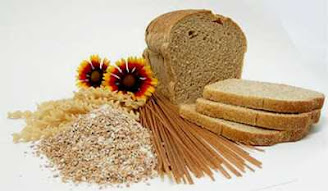
Eat More Healthy Carbs and Whole Grains


Definition of healthy carbs and unhealthy carbs

Healthful carbohydrates - (well-known sometimes as good carbohydrates) include whole grains, kidney beans, fruits and vegetables. the carbohydrates digest slowly heals, helping him to feel satisfied by more time and with sugar maintenance in the blood and the stable insulin levels.

Unhealthful carbohydrates - (or bad carbohydrates) are foods like the white flour, refined sugar and the white rice that have undressed of all the bran, fiber and nutrients. little healthful carbohydrates to digest quickly and to cause to rises in the sugar levels in the blood and the energy.

Health Benefits Carbs and Whole Grains

It chooses heals to carbohydrates and fiber sources, especially the whole grains, for the energy long play. Besides being delicious and satisfactory, the whole grains are rich in phytochemicals and antioxidants, that help to protect against the disease of the coronary arteries, certain types of cancer and the diabetes. The studies have demonstrated the people who consume more whole grains tend to have a healthier heart.

It includes a variety of whole grains in its healthful diet, including the whole wheat, integral rice, millet, quinoa and the barley. It experiments with different grains to find its favorites.  

Make sure of which it is good whole grains. It considers that the stone that is to say, the ground, multi-grain, 100% of wheat or bran, not necessarily means that a product is of grain whole number. It looks for the seal of grain new whole number. If ” is no a seal to look for the words; grain entero” or ” 100% of wheat integral” , and to verify the ingredients.

It tries to mix grains like a first step to change to whole grains. If the integral grains, as integral rice and grazes of integral wheat, do not sound well at the outset, to begin to mix what normally use with whole grains. You can increase the grain whole number gradually to the 100%.

Avoid: - The grains refining like the bread, you graze and cereals for the breakfast that are not of grain whole number.

Selasa, 22 November 2011

Food and Nutritions(4)


Common healthy spices include ginger, garlic, chilli, cinnamon, tumeric, black pepper, oregano, coriander, cumin, fenugreek and mustard. Spices add delicious flavour and aroma to food, and are primarily used to enhance the taste of food.

Eating healthy breakfast foods is critical to managing your weight. Here are some low fat healthy breakfast ideas to start your day with a healthy meal that will keep you energised.

Eating heart healthy foods can play a significant role in preventing heart disease. Good heart nutrition is about following a heart healthy diet to lower your risk of heart disease.

These healthy eating guidelines are a common sense approach to food choices to promote overall wellbeing. Eat your way to health and vitality by learning these facts about healthy eating.

Fenugreek seeds benefit many individuals and have been used for many years for various conditions from increasing breast milk supply to helping diabetics control their blood sugar levels. But are these claims true? And is fenugreek safe to take?

When it comes to taking care of the diet and nutrition of children that are obese, most parents often find themselves at a complete loss. Children who suffer from obesity will need proper diet and nutrition, depending on their age.

With many of us consuming packaged and fast food on a regular basis, the amount of sodium in the average daily diet is higher than ever. But what is the affect of consuming lots of salt and sodium loaded foods on our health and well being?

You hear a lot about living a healthy lifestyle, but what does that mean? In general, a healthy person doesn’t smoke, is at a healthy weight, eats healthy and exercises.

In the world of diet and nutrition, there may seem like there is an infinite amount of information out there. The thing is, a large portion of that information is bad, incorrect, or just plain stupid.

Oat Meals - Health Benefits and Facts
Oats and oatmeal, have been a part of human food for at least 3,000 years.Oats were probably eaten accidentally to begin with as a weed growing in wheat or other grain crops for quite some time before coming into its own.

Spending your entire day at the office shouldn’t limit your snack choices. Come to work prepared with healthy snacks, and you’ll improve focus, increase productivity, and avoid packing on pounds. Snack on the five foods below to stay satisfied.

You don’t have to cut all fat out of your diet, but you should limit the amount of fat you eat. Try to eat foods made with unsaturated fat and avoid foods that are high in saturated and trans fats. Other things you can do include:

Senin, 21 November 2011

Sex and Relationships(3)


Feelings of relaxation, the release of tension, and a sensation of bliss are the feelings some people experience after sex. But for others the afterglow of sex is not only absent but replaced with feelings of depression.

Whether we are in a brand new relationship or have been married for forty years, when it comes to talking with our partners about sex, panic can often set in.

Many parents would rather not talk with their kids about sex. Of course many parents would rather not talk with anyone about sex. And while you can choose to avoid sexual communication in your adult life with romantic partners

From the moment we’re born our health and growth (physical, psychological, spiritual) is compared to others based on numbers. Actually, it happens even before we’re born: How far along are you?

For better or worse, there is an intimate relationship between sex and alcohol in our culture. Many people use alcohol to “loosen themselves up” in anticipation of having sex with a new partner, and it is a commonly held belief that alcohol is an aphrodisiac.

Everyone has a hard time talking about sex at one time or another. Whether it’s answering a question about sex from your children, talking with your partner about a sexual issue, or asking your doctor a medical sex question

No simple test determines sexual compatibility between two (or more) people. Websites and magazines that offer tests or quizzes designed to help you figure this out are leading you astray.

Everyone and anyone you can image is the kind of person who uses sex toys. In fact research on vibrator use suggests that people who are having sex use sex toys more than those who aren’t, and that between 20-30% of people have used sex toys at least once in their lives.

Healthy Spices For Healthy Living


Common healthy spices include ginger, garlic, chilli, cinnamon, tumeric, black pepper, oregano, coriander, cumin, fenugreek and mustard. Spices add delicious flavour and aroma to food, and are primarily used to enhance the taste of food. If you are looking to change your eating habits to include more low fat, high fibre food and less salt, try cooking with Healthy Spices to compensate for flavour.

Spice up your life
  • Spices compensate for flavour in low fat diets.
  • Spices have potent anti-oxidant properties and could help slow down ageing.
  • Spices can help boost your health.
  • Spices have disease fighting properties.
  • Spices can turn an ordinary meal into an extra-ordinary experience!
Health Benefits of Spices
As a food group, spices are high in antioxidants and therefore have many potential health benefits, including cancer and cardio-vascular disease prevention, as well as having anti-ageing properties. Studies have shown that you only need to eat small quantities of healthy spices to reap the benefits.

Common Healthy Spices used in Cooking
  • Mustard is a widely used spice, with known anti-cancer properties and high selenium and magnesium content. In Indian cooking, whole mustard seeds are used as a flavour base for a range of vegetable curries, by heating in a little oil until the seeds make a popping sound, and then adding the vegetable ingredients.
  • Cayenne Pepper is a hot, fiery spice that is used extensively in Mexican and Indian cooking. The heat in cayenne pepper comes from a substance called capsaicin which is a potent anti-inflammatory agent. It also increases thermogenesis (heat production) and oxygen consumption which contributes to weight loss.
  • Cardamom is a fragrant spice popular in Indian Cuisine. It is used to flavour curries, chai, rice puddings and chutneys. Among the health benefits claimed for this spice are that it detoxifies the body and cleanses the kidneys.
  • Turmeric is a bright yellow spice well known as a curry flavouring. It is also used as a food colouring and has long been used in Chinese and Indian medicine as an anti-inflammatory agent to treat a wide variety of ailments including bowel disease, arthritis, and as a cancer preventative. The active ingredient in turmeric is a substance known as curcumin.
  • Pepper is an extensively used spice both in Eastern and Western food. It has an impressive antioxidant and antibacterial effect and helps with digestion and weight loss because it stimulates the breakdown of fat cells.
  • Cumin has a strong peppery flavour and is used widely in Middle Eastern, Mexican and Indian cooking. The seeds can be ground or used whole. It is a good source of iron, and has traditionally been used to aid digestion. Cumin seeds release their full aroma and flavour when lightly roasted.
  • Cloves have an intense aromatic flavour and contain an active component called eugenol which has mild anaesthetic anti-inflammatory, and anti-bacterial properties. Cloves are used to flavour soups, broths and curries.
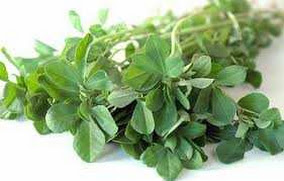
  • Fenugreek has a powerful pungent, bittersweet flavour that is released when the small hard seeds are roasted. It is mainly used in curry powders and for making pickles. Studies have shown that it may help lower blood sugar levels in people with diabetes.
  • Cinnamon is a common spice in many cultures and well known for it's musky sweet flavour. It can be used ground or whole, to flavour beverages, curries, rice dishes and desserts. The essential oils found in cinnamon give it anti-clotting and anti-microbial properties and recent studies have shown that it slows the rate at which the stomach empties after meals, reducing the rise in blood sugar after eating. 
  • Ginger is one of the most healthy spices available. It is a strong pungent spice, widely used in Asian stir fries and many fruit and vegetable dishes. It has long been used as a herbal medicine to relieve gastrointestinal distress and nausea, and in modern times has been shown to have anti-inflammatory and antioxidant effects. It is also used as a natural remedy for cold and flu symptoms and is thought to have immune boosting action.
  • Garlic is a powerfully flavoured spice that improves the flavour of any dish, and has been used for centuries for it's therapeutic benefits. It is also counted amongst the list of most healthy spices. Garlic contains a number of sulfur compunds and also vitamin C, vitamin B6, selenium and manganese. Studies have shown that garlic helps prevent atherosclerosis, heart disease and potentially cancer as well. One of the most potent compunds in garlic is allicin, which has been shown to not only lower blood pressure, insulin and triglycerides, but also to prevent weight gain. Use garlic chopped, crushed, roasted or toasted in a little olive oil to turn an ordinary meal into an extraordinary cullinary experience.
  • Oregano is a key ingredient in Mediterranean cuisine, and is used as a garnish, in salad dressing, or sauteed with other ingredients such as mushrooms or onions to add a subtle aromatic flavour to food. It is a nutrient dense spice with powerful anti-oxidant and anti-bacterial properties and been regarded as one of the healthy spices by the Mediterranean people for generations.

Minggu, 20 November 2011

Healthy Breakfast Foods for Healthy Diet


Eating healthy breakfast foods is critical to managing your weight. Here are some low fat healthy breakfast ideas to start your day with a healthy meal that will keep you energised.

Start Your Day With A Low Fat Healthy Breakfast
  • Starting the day with healthy breakfast foods is crucial. 
  • You've probably heard it before, but breakfast is the most important meal of the day. 
  • Unfortunately, too many of us either skip breakfast completely because we're rushing to get to work or school, or we eat the wrong foods. 
  • Traditional breakfast foods are usually too sugary, too fatty or have a high glycemic load (think about pancakes, donuts, breakfast bars, muffins, fried eggs and sausages. You get the idea!). 
  • The problem with these foods is that they cause sharp fluctuations in your blood sugar levels, resulting in carbohydrate cravings later in the day.

Top Heart Healthy Foods For A Healthy Heart Diet


Eating heart healthy foods can play a significant role in preventing heart disease. Good heart nutrition is about following a heart healthy diet to lower your risk of heart disease.

Heart Disease Information
There are a number of factors that contribute to cardiovascular disease, with LDL cholesterol, triglycerides and homocysteine at the top of the list. However, recent research has identified inflammation as being the key culprit. The good news is that healthy food choices can reduce cholesterol and inflammation and reverse heart disease.

Healthy Heart Facts
Dr Richard M. Fleming, a cardiologist has identified essential risk factors in the inflammatory reaction for heart disease, in his book "The Heart Healthy Program". In his program, these factors are restored to healthy ranges through a combination of a heart healthy diet which includes heart healthy food choices, exercise and supplementation.
  • Cholesterol -  LDL or "bad cholesterol" causes heart disease. HDL is "good cholesterol", and protects you from heart disease. LDL is the first trigger for the immune reaction that can lead to heart attack or stroke, so it is necessary to keep LDL within normal levels. An ideal total cholesterol level is 150mg/dL. The way to achieve this is to cut down on saturated fats in your diet such as red meat, dairy products, eggs, and coconut and palm oils. Smoking also elevates LDL levels and create plaques that clog up the arteries.
  • Triglycerides - These are fat globules in your blood that become elevated with excess consumption of saturated fats, processed foods and sugars. People who are over weight often have high triglyceride levels, and are at a higher risk of developing type 2 diabetes, which adds to the risk of heart disease.
    Healthy heart foods that lower LDL and Triglycerides are high fiber foods such as whole grains (e.g. brown rice, oats, barley, whole meal bread). Foods that are high in antioxidants also promote a healthy heart. Examples of heart healthy foods are vegetables and fruits and green tea. Supplements such as Vitamin C and Vitamin E are also recommended.
  • Excess Weight - The same foods that cause inflammation (saturated fat, processed and sugary foods, etc) also cause weight gain. In order to keep heart healthy, you have to maintain an optimal weight.
  • Homocysteine - This is an amino acid that becomes elevated in the blood stream with the excess consumption of animal products such as red meat, and kicks off an inflammatory reaction that can lead to blood clots and heart attacks. Supplementation with Vitamins B6 and B12, and folic acid can reduce homocysteine levels in the blood.
  • Antioxidants - The breakdown of cells by oxidation during the normal ageing process releases free radicals and contributes to inflammation and many other illnesses. Antioxidants act as "free radical scavengers" and counteract this process, reducing the risk of disease.
    Plant foods are a good source of antioxidants, such as fruit and vegetables, grains, beans, healthy spices and green tea. Supplements such as grapeseed extract are powerful antioxidants, as well as vitamins A, C and E, selenium and carotenoids such as beta-carotene.
  • Exercise - Moderate exercise reduces the levels of pro-inflammatory substances in the body, reduces weight, boosts the immune system, promotes circulation and stengthens the heart. As such, it is important to include some exercise at least in your daily schedule, after consulting your doctor on what level of exercise is safe for you.
  • Fibrinogen - This is a protein that promotes blood clotting. A diet that is high in fat and animal proteins elevates fibrinogen levels.
  • Growth Factors - These are substances that promote cellular growth, bit can also trigger inflammation if elevated in the bloodstream. Foods such as red meat, dairy products, poultry and eggs increase growth factor levels. A diet based on plant foods lowers growth factors.
Heart disease does not have to be a fatal condition. If you take action, and adopt healthy eating habits making sure that you include heart healthy foods in your diet, you can lower your risk of heart attack.

Sabtu, 19 November 2011

Healthy Eating Guidelines For Living A Healthy Lifestyle


These healthy eating guidelines are a common sense approach to food choices to promote overall wellbeing. Eat your way to health and vitality by learning these facts about healthy eating. Enjoy the benefits of healthy eating, and begin your lifestyle change today by following these tips.
Many of the health problems we face today are a result of unhealthy modern eating habits. Once you start changing your attitude to food choices and include the tips and Healthy Eating Guidelines below into your daily life, you will notice significant improvements.

Tips For Healthy Eating And Living
  • Get enough physical exercise as this is the key to permanent weight control. Include aerobic exercise such as walking, as well as anaerobic exercise such as strength training in your fitness program
  • Get enough sleep. Inadequate sleep can result in higher stress levels and increased risk of heart disease
  • Variety is the spice of life. Eat a wide range of foods of all colours, and find restaurants will healthy options. This will provide you with a variety of essential nutrients
  • Do not overeat. Learn portion control, and maintain your daily kilojoule /calorie intake within recommended allowances. Stop eating when you are full.
  • Choose filling foods that satiate your hunger, and at the same time keep your calorie intake under control
  • Choose healthy cooking methods such as stir-frying, baking, steaming and grilling rather than deep frying or boiling food. Use non-stick cookware and extra virgin olive oil to spray the pan
  • Gradually change your eating habits. Make a small change each day rather than radical changes that cannot be maintained
  • Eat regular meals, and have 5 small meals rather than 3 large ones. Start your day with a healthy breakfast
  • Balance your time between work, family and friends, and allow time out for yourself. People with strong relationships are generally happier. Follow MonaVie for more tips on balancing a healthy style of living

Kamis, 17 November 2011

Health Benefit of Fenugreek Seeds


Fenugreek seeds benefit many individuals and have been used for many years for various conditions from increasing breast milk supply to helping diabetics control their blood sugar levels. But are these claims true? And is fenugreek safe to take?

The active component of Fenugreek is Trigonella foenum graecum. In most studies conducted Trigonella foenum graecum has been extracted from the seeds of the Fenugreek plant where most of the medicinal properties of fenugreek are. There is evidence for the use of Fenugreek seeds for controlling glucose levels, increasing breast milk supply, reducing cholesterol levels, as an immunostimulant, an antioxidant, and there is some evidence for the use of fenugreek to help patients suffering from ulcers.

Health Benefit of Fenugreek Seeds

Historical uses of Fenugreek
  • Historically Fenugreek has been used to induce childbirth, for digestive problems, symptoms of menopause, various problems associated with testosterone abnormalities such as loss of libido and impotence, painful menstruation, microbial and fungal infections and oedema of the legs. In traditional Indian medicine fenugreek have been used for the above problems as well as cough, constipation, bronchitis, to enlarge breasts and inflammation of the skin to name a few.
  • So it sounds as though Fenugreek is the magic cure we've all been searching for!! However let's view current research and see how these claims can be supported.
Childbirth
Fenugreek is stated to cause uterine contractions thereby inducing labour. However further studies are needed. Fenugreek should only be used under the guidance of a physician.

Digestive Problems
There is evidence of Trigonella foenum graecum inhibiting Helicobacter Pylori. Helicobacter Pylori is the bacteria in the stomach which causes ulcers. Fenugreek seeds are also stated to reduce flatulence and inflammation in the gut. While this shows promise, further trials are needed before it can be widely clinically accepted.

Hormonal Effects
  • Fenugreek contains phytoestrogens. Phytoestrogens bind to oestrogen receptors and mimic the actions of natural oestrogen. In menopause the body's oestrogen levels reduce significantly and this is responsible for most of the symptoms associated with menopause.
  • However, clinical trials are less conclusive. Phytoestrogens have the ability to act both as an oestrogen type compound and as an antioestrogen. It has been speculated that Fenugreek may also ease menstrual bleeding. Evidence shows that fenugreek can delay the onset of menstruation in high doses. It is possible that phytoestrogens in Fenugreek could balance out the hormones responsible for menstrual bleeding.
  • Treatment of male Impotence has been tested in clinical trials. It was discovered that it increased spermatogenesis (the production of sperm) and acts as an aphrodisiac.
  • There is evidence of breast enlargement and increase in breast milk supply in women who take fenugreek seeds.
Constipation
Trigonella foenum graecum has been reported cause diarrhoea in high doses.

Cough/Bronchitis
  • Fenugreek has been proven to work as an immunostimulant in many trails. So it looks as though Fenugreek has many beneficial health properties. If you would like to benefit from the properties of fenugreek or any other plant, it is recommended to accommodate small amounts of it into your diet over a long period of time rahter then to suddenly increase your consumption of it.
  • When using any product including Fenugreek for therapeutic purposes remember to always seek the advice of a doctor, naturopath or other healthcare provider.

Simple Ways to Live a Healthy Lifestyle


You hear a lot about living a healthy lifestyle, but what does that mean? In general, a healthy person doesn’t smoke, is at a healthy weight, eats healthy and exercises. Sounds simple, doesn’t it?The trick to healthy living is making small changes…taking more steps, adding fruit to your cereal, having an extra glass of water…these are just a few ways you can start living healthy without drastic changes.

Exercise
The truth is, movement is movement and the more you do, the healthier you’ll be. Even moderate activities like chores, gardening and walking can make a difference.
Just adding a little movement to your life can:
  • Reduce the risk of heart disease, stroke and diabetes
  • Improve joint stability
  • Increase and improve range of movement
  • Help maintain flexibility as you age
  • Maintain bone mass
  • Prevent osteoporosis and fractures
  • Improve mood and reduce symptoms of anxiety and depression
  • Enhance self esteem
  • Improve memory in elderly people
  • Reduce stress
So, even if you opt for small changes and a more modest weight loss, you can see the benefits are still pretty good. One study has found that just a 10% weight reduction helped obese patients reduce blood pressure, cholesterol and increase longevity.

Simple Ways to Move Your Body
You can start the process of weight loss now by adding a little more activity to your life. If you’re not ready for a structured program, start small. Every little bit counts and it all adds up to burning more calories.
  • Turn off the TV. Once a week, turn off the TV and do something a little more physical with your family. Play games, take a walk…almost anything will be more active than sitting on the couch.
  • Walk more. Look for small ways to walk more. When you get the mail, take a walk around the block, take the dog for an extra outing each day or walk on your treadmill for 5 minutes before getting ready for work.
  • Do some chores. Shoveling snow, working in the garden, raking leaves, sweeping the floor…these kinds of activities may not be ‘vigorous’ exercise, but they can keep you moving while getting your house in order.
  • Pace while you talk. When you’re on the phone, pace around or even do some cleaning while gabbing. This is a great way to stay moving while doing something you enjoy.
  • Be aware. Make a list of all the physical activities you do on a typical day. If you find that
  • the bulk of your time is spent sitting, make another list of all the ways you could move more–getting up each hour to stretch or walk, walk the stairs at work, etc.
Eating Well
Eating a healthy diet is another part of the healthy lifestyle. Not only can a clean diet help with weight management, it can also improve your health and quality of life as you get older. You can use the new Food Guide Pyramid to determine how many calories you need and what food groups you should focus on or, if you’re looking for smaller changes, you can use these tips for simple ways to change how you eat:
  • Eat more fruit. Add it to your cereal, your salads or even your dinners
  • Sneak in more veggies. Add them wherever you can–a tomato on your sandwich, peppers on your pizza, or extra veggies in your pasta sauce. Keep pre-cut or canned/frozen veggies ready for quick snacks.
  • Switch your salad dressing. If you eat full-fat dressing, switch to something lighter and you’ll automatically eat less calories.
  • Eat low-fat or fat-free dairy. Switching to skim milk or fat free yogurt is another simple way to eat less calories without having to change too much in your diet.
  • Make some substitutes. Look through your cabinets or fridge and pick 3 foods you eat every day. Write down the nutritional content and, the next time you’re at the store, find lower-calorie substitutes for just those 3 items.

Simply Unsalted for Better Health


With many of us consuming packaged and fast food on a regular basis, the amount of sodium in the average daily diet is higher than ever. But what is the affect of consuming lots of salt and sodium loaded foods on our health and well being? Just how much sodium should we consume daily and is there a way to reduce the amount of sodium we eat?
  • Sodium is necessary for our bodies to function. However, most individuals consume far in excess of the maximum 1,200 to 2,000 mg that they need. Since sodium occurs naturally in many foods anyway, there is no need to add salt to our food. Salt contains about 39% sodium, so in a teaspoon of salt there is actually a whopping 2,400 mg of sodium!.
  • As a result, try to avoid foods with added salt. Also, try to avoid foods made with sodium bicarbonate as this also contain sodium. 
  • Unfortunately most packaged foods contain a lot of salt and sodium. Even purported health foods which are organic, low in fat, and even vegan or vegetarian are frequently loaded with sodium too. This makes eating a low sodium and healthy diet sometimes challenging.
  • The negative health consequences of too much sodium are tremendous. Over time, excess sodium in our diets can lead to various medical conditions including hypertension/high blood pressure, heart disease, stroke, enlarged heart, as well as various related complications such as irregular heart beat. High sodium consumption is also related to water retention (oedema), ulcers, kidney stones, osteoporosis, and heartburn.
  • Excessive sodium consumption may even cause gastric cancer and, in very extreme amounts, death!
  • The health benefits of reducing sodium in our diets and eating a low sodium diet are amazing. 
  • We can lower blood pressure, reduce the risk of heart problems and even reverse heart enlargement all by cutting back on the salt. 
  • Obviously we can also eliminate our risk of developing a medical condition caused by consuming too much sodium as well. 
  • Overall you will feel healthier by reducing sodium consumption. And once we manage to kick our cravings for salt, which usually takes most people about 2-3 weeks of avoiding it, we can enjoy our food without the negative side effects of so much sodium in our diets. 
  • For example, we can start replacing salt with herbs and spices, such as tumeric, cayenne pepper, etc. But remember that in some spice blends, such as chilli powder, sodium is added – so be sure to check the ingredients! 
  • Also, onions and garlic add tremendous flavour to many dishes, as does extra virgin olive oil and balsamic vinegar, without adding any sodium. Throw some crushed chilli peppers into the mix for a spicy kick!
  • The most obvious way to eliminate sodium from our diet is to eat a diet mostly comprised of freshly prepared foods, emphasizing fresh fruits and vegetables. Avoid packaged and fast food alternatives, as well as salty dips and dressings. 
  • Avoid canned foods as well, as these are often loaded with salt. For example, canned beans are usually highly salted.
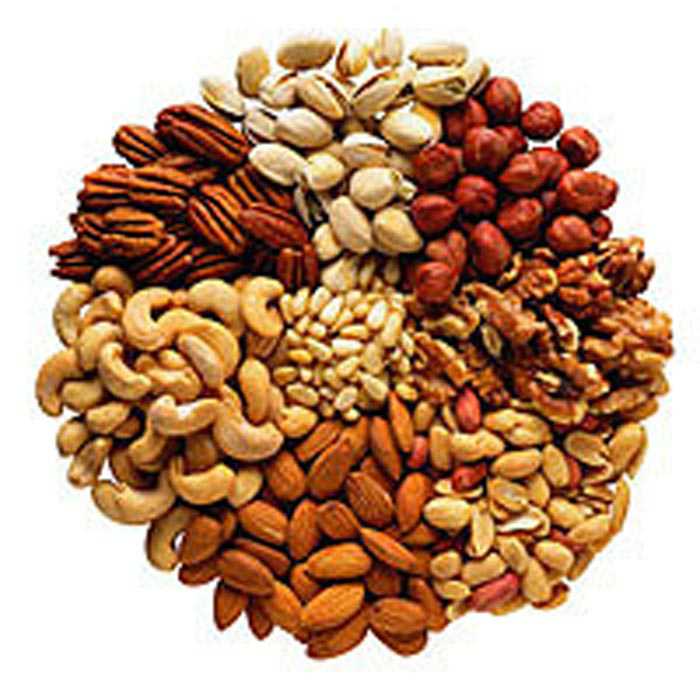
  • For snack alternatives, try to avoid salty chips/crisps, crackers and pretzels and instead choose unsalted versions of the same snacks, including nuts, dried fruit and unsalted popcorn.
Overall we can get some significant benefits from reducing sodium in our daily healthy diet. Hopefully this article will help encourage you to try a lower sodium lifestyle before you need to call the doctor. Here's to your health and well being by eating “simply unsalted”!

Proper Diet and Nutrition for Children


When it comes to taking care of the diet and nutrition of children that are obese, most parents often find themselves at a complete loss.
Children who suffer from obesity will need proper diet and nutrition, depending on their age. As a parent, it is important for you to be able to identify what they need and what foods they should be eating. Also finding out which foods will help their nutrition is also essential.
  • Even though it might be tough, it is always a great idea to convince children to eat their veggies. Kids need at least 5 servings of fruit and veggies every day. It is important to insist that they eat their veggies and not rely on fastfood products to satisfy them.
  • It would help if you can set a good example and eat your veggies as well. Let them see that you do enjoy eating fruits and veggies with your everyday meals. This will also motivate them knowing that you love to eat these foods as well.
  • Of course, it would help if you find out what your children love to eat and what they don’t like in the first place. Once you have found out any specific food or dish they love to gorge on, look for alternative recipes to make them much healthier.
  • If not, try and create some fun and tasty dishes or drinks that include fruits and veggies. For instance, you can get them to eat fruit salads or even smoothies.
  • Moreover, if you want to curb down your child’s weight, try and let him engage in sports or other physical activities to help him shed off the extra pounds. 
  • Although most children will have tons of energy for play, obese children might not and will simply prefer to eat or do something that doesn’t require too much effort physically. 
  • When it comes to encouraging children to exercise, make sure that it is an activity that is age appropriate and always supervise them.

Rabu, 09 November 2011

GREAT JEWELLERY GIFT IDEAS

Don’t know how to say it? Or can’t find a way to say the words?
Whether you want to say “I Like You” to someone unique or tell the community what you think or take a position for, you can say it in fashion with a part of messageonanecklace.com Jewelry.
messageonanecklace.com has  Jewellery gifts and  gives every young lady (or guy) to be able to communicate themselves with attractively generate 925 Sterling Gold Jewelry.
GREAT GIFT IDEA
You have lastly discovered a variety of that is both careful and significant. Ideal present for:
* Birthdays
* Events
* Phrases of Like
* Special Occasions
All their merchandise are manufactured in excellent gift appearance to comprehensive your looking and giving practical knowledge.

role of African Mango Diet in weight loss

Many people believe that this is a fruit, but the real extract used in health products and weight loss now comes from the seed in the center of the fruit. The seed is rich in fiber and studies show that the regime of African Mango Diet can help the body in three ways:

first Improve the results of weight loss

second Lower blood sugar

Third lower cholesterol

The first advantage is what made the African mango diet so popular today. Everyone is looking for a way to speed up the results of weight loss, or just get a weight loss began. Since studies have shown that people supplement their diet with supplements of African mango lose more weight than those who follow the same plan at no extra charge, have placed great hope in this supplement in the world.

More benefits of weight loss should be an accelerated pace to burn fat in the body. Fibre intensive, this seed has the ability to get rid of the body to store fat and cholesterol levels unhealthy. By allowing your body to burn more stored fat, the results of African mango diet weight loss is faster for those who take supplements consistently.

Senin, 07 November 2011

Do I Have to Talk With My Kids About Sex?


Many parents would rather not talk with their kids about sex. Of course many parents would rather not talk with anyone about sex. And while you can choose to avoid sexual communication in your adult life with romantic partners (but I wouldn’t recommend it) if you choose to never talk with your kids about sex you do so not only at your own peril, but theirs as well. There are lots of good reasons to talk with your kids about sex. Here are a few of my favorites.

Talking with your kids about sex can help keep them safer
There is a lot of research that has shown that when parents talk with their kids about sex, their children are:
  • more likely to use contraception
  • more likely to delay intercourse
  • less likely to have a teenage pregnancy
To be clear, it’s not just any kind of sex talk that helps, and some of the survey research offers conflicting reports on the impact of talking with your kids about sex, which may reflect the fact that it is possible to talk with your kids about sex in ways that are not helpful. So while it’s a good idea to talk with your kids about sex, it’s equally important to know what makes for good sex education and what the best way is to do it.

Kids listen to their parents when they talk about sex.
It might surprise some people who think of teens as extremely disaffected and contradictory to find out that both adolescents and teens, when asked, say they listen to what their parents have to say about sex:
  • One study in 1995 found that adolescents rated parents higher in credibility than school and friends when it comes to getting sex information (although they rated them low in “accessibility”).
  • A more recent 2006 survey by the Canadian Association for Adolescent Health found that sixty three percent of teens considered their parents a major source of information, and forty three percent thought parents were the most useful and valuable source of information.
It may be true that when they reach a certain age your kids are less likely to listen to what you have to say about many things. Interestingly, sexuality doesn’t seem to be on that list.

You’ll learn things from talking with your kids about sex.
  • Having to talk with your kids about sex means having to re-think many aspects of sexuality you may now take for granted. 
  • Even answering a simple question like “why would anyone want to have sex?” (not an uncommon question among kids of a certain age) requires us to think carefully about what sex means for us. In another example, with an older child, you might have to do some research just to keep up with sexual options on line, and this means learning for yourself as well as your child. 
  • The fact is that when it comes to sex we’re all life long students. Our sexuality never stops changing as we age and this means that as long as we don’t turn away from it, there is always something new to learn. Talking with your kids about sex is another way to keep your mind open to the meaning of sex in your own life.
Talking about sex with your kids can further develop your relationship
  • Any relationship that’s based on communication is going to have its challenges, and often its in overcoming those challenges that the relationship grows. 
  • Your relationship with your kids is no different, particularly as they get older and become more independent adults. 
  • Talking with your kids about sex won’t always be easy, but it’s well worth the effort, and the payoff can be more than a healthy child, it can be a healthier relationship overall.

How Much Sex Does the Average Couple Have?


From the moment we’re born our health and growth (physical, psychological, spiritual) is compared to others based on numbers. Actually, it happens even before we’re born: How far along are you? How often do you feel a kick? Once we're born everyone wants to know what level we read at, how high can we can count, what our SAT score was. The competition to be both normal and above average is endless, and endlessly frustrating.
Given this backdrop it’s no wonder that many adults, once they get in committed relationships, begin to wonder if they’re having enough sex and how much sex does the average couple have. Many also wonder how long sex is supposed to last, regardless of how often you have it.

Buyer Beware
  • Hucksters trying to sell you a book or sex tape will give you a single answer to this question. They might say the average couple has sex 12 times a month, or 2 times a month. Or maybe they’ll tell you they have sex 1.4 times a week. 
  • These are all true statistics, supported by scientific research. There are hundreds of scientific studies looking at the frequency of intercourse (because when they say sex, they usually mean intercourse, and when they say couple, they mean straight couple). 
  • There are also hundreds of marketing surveys by condom, lube and sex toy companies that aren’t scientific at all, but still get covered in the media. The problem is that it’s almost impossible to compare these studies, and when you read them, none of them agree.
The Hard Data
  • With so many studies out there, the numbers you’ll get depend largely on where you look, who was asked, and how they were asked. Here are a few numbers to consider: The most recent data from a nationally representative sample of Americans aged 18-70+ asked people individually about the frequency of particular sex activities. In terms of vaginal intercourse 28% reported having it a few times per month/weekly, 16% reported 2-3 times per week, 15% reported a few times a year/monthly, and 4% reported more than 4 times per week. These numbers include people who were and were not in committed relationships.
  • In a review of more than 86 other studies on women’s reports of sexual intercourse frequency, U.S. and European women between the ages of 26 to 35 reported having sex between 8 to 12 times per month.
  • In one of the largest U.S. studies, the majority of men and women who were living together but unmarried reported having sex 8 to 12 times per month, and the majority of married people reported having sex “a few times per month.”
  • One textbook compared studies in the U.S. of men and women surveyed about the frequency of “marital coitus” from 1938, 1970 and 2003. There was, in fact, little difference across the decades, and looking at men and women from ages 20 to 45, they reported between 6.8 and 8 times per month.
  • Researchers point out that there are many problems with these numbers, including a lack of agreement on what “sex” meant to those answering the question and problems with how the data was collected.
Quantity or Quality?
  • I would like to propose that quantity is not a useful measure of any sexual activity. How much is not enough? I guess the answer is one time less than what you want. How much is too much? One more than you desire. 
  • Are we supposed to believe that our desire for sex remains constant throughout our lives? In truth, the amount of sex we have is determined by many things: how we’re feeling, our relationships, access to a partner, our health and how much we feel like compromising in a given moment. 
  • The only practical yardstick to determine whether you and a partner are having “enough” sex is how both of you feel about it. Another problem with using quantity as a measure is that it can steer you in the wrong direction for a goal. 
  • Is your goal really to have sex two more times per week, month or year? Or is your goal to have a different kind of sex, or sex you enjoy more, or sex that makes you feel a certain way? If all you’re trying to do is have more of something that isn’t satisfying you, having more won’t make it better.
The Bottom Line
  • So where does that leave you? If you ask a researcher how often the average couple has sex, at best they’re giving you a guess. If you ask a sex therapist the same question, they’re going to tell you what they see in their offices, but that is a small and skewed sample.
  • Also, unfortunately, if you ask friends, they may not want to be honest for fear of being judged. My advice is that if you want to know how often other people are having sex, figure out why you want to know. What do you think you’re going to get out of knowing a number? And if you can, try to be satisfied with this truest of all answers:
  • Some couples are having more sex than you are, some are having less, and if you want to improve your sex life, statistics are the last thing that will help.

Alcohol and Sex - What are the sexual effects of alcohol?


For better or worse, there is an intimate relationship between sex and alcohol in our culture. Many people use alcohol to “loosen themselves up” in anticipation of having sex with a new partner, and it is a commonly held belief that alcohol is an aphrodisiac. But the actual sexual effects of alcohol are complicated, and there are many serious negative sexual consequences of drinking too much and drinking too often.
In thinking about the effect of alcohol on sexuality we can consider:
  • Short term sexual effects of alcohol
  • Expectancy effects (which means the impact of what we think alcohol is going to do for us sexually)
  • Long term health and social effects
Much of the research on the effects of alcohol on sexuality has focused on the physiological rather than social. Because of this, the long term social sexual effects, such as difficulty maintaining long term relationships, depression, and social isolation are underrepresented in the research. It is interesting to note that the sexual effects of alcohol on women seem to be very different than the sexual effects of alcohol on men.

Short term sexual effects of alcohol
Soon after consuming alcohol, research has found the following common effects:
  • Alcohol has a “disinhibiting” effect, which can make people “loosen up” and feel more comfortable initiating or engaging in sex.
  • Alcohol may make you feel more socially confident and in small quantities may facilitate more socializing and sexual communication.
  • In small amounts alcohol has been reported to have a positive impact on sexual desire and arousal.
  • At the same time, research shows that even after a few drinks sexual response is reduced.
  • In large amounts alcohol makes sex difficult to impossible. While in moderate amounts alcohol can have an impact on engaging in risky sexual behavior, although this impact is not fully understood.
  • As drinking increases both men and women will experience a reduction in sexual arousal, men may have difficulty getting erections, and both men and women may have difficulty experiencing orgasm.
Expectancy effects of alcohol on sexual behavior
  • In studies where people have been given drinks that were non-alcoholic but told they contained alcohol, researchers have found that participants report increased sexual arousal similar to those who actually consumed alcohol. 
  • This is explained by the fact that when we expect or anticipate a certain physical effect, we often experience it or report it to be the case.
  • What this points to is the fact that our expectation of an effect can actually influence our sexual experience. If you think you’re going to be more comfortable and more open to sexual stimulation, you may in fact be more open.
  • Expectancy effects aren’t “fake” and the people experiencing them aren’t lying. But they expose how complicated the relationship between our minds and bodies is, particularly when it comes to sex.
Long term sexual effects of alcohol
Chronic alcohol abuse, or alcoholism, inevitably has a devastating effect on sexuality, including:
  • Erectile disorders and dysfunction in men
  • Loss of sexual desire, significant decrease in sexual arousal for men and women
  • Difficulty experiencing orgasm for men and women
What is unknown is the point at which these sexual effects are irreversible. There has been some research with long term alcoholic men that has suggested some men are able to regain erectile functioning after a period of time without alcohol. But how much time is needed, and what kinds of gains can be made are uncertain.

Jumat, 04 November 2011

ideas for unique gifts

Love is the most wonderful feeling in the world. To be in love is pure bliss. When you love someone, it is important to manifest your feelings for him or her. Gifts are a wonderful expression of our feelings. But we always restrict romantic gifts to Valentine's Day, birthdays, and anniversaries only. Since you are in a special relationship, you should often do little things that can enhance your whole feeling of falling in love. A simple yet creative unique gifts can bring joy to our loved one and take your relationship to the next level. The range of romantic gifts is wide, surprising you with the wonderful choices open before you. All you need to do is get your juices flowing to discover the perfect present for your beloved. Listed here are some stylish, classy, meaningful, and romantic gift ideas you can select from for your sweetheart.

how to treat dry skin with vitamin C ?

Vitamin C is one of the safest and most effective nutrients, experts say. It may not be the cure for the common cold (though it's thought to help prevent more serious complications). But the benefits of vitamin C may include protection against immune system deficiencies, cardiovascular disease, prenatal health problems, eye disease, and even skin wrinkling.
n dry skin of most skin conditions, Skinceuticals CE Ferulic helps improve skin's protection against premature and permanent aging resulting from incremental exposure to daylight and (to a lesser extent) other sources of damage.

Rabu, 02 November 2011

Sex toys facts and myths


Myth: Sex toys are only for people who have a bad sex life
Sex Toy Fact: Everyone and anyone you can image is the kind of person who uses sex toys. In fact research on vibrator use suggests that people who are having sex use sex toys more than those who aren’t, and that between 20-30% of people have used sex toys at least once in their lives. Sex toys aren’t a crutch or a cure-all, they are an addition to sexual repertoire.

Myth: Sex toys are addictive:
Sex Toy Fact: Addiction implies harm, and there is nothing harmful about using sex toys (as long as they’re used properly). It’s true that people can become used to using sex toys, and even come to rely on them, but there is no “withdrawal” and anyone can easily get themselves back to masturbation or partner sex without sex toys. People who suggest that vibrator addiction is real tend to be people who think that any sex toy use is too much sex toy use. Read more about the truth behind vibrator addiction.

Myth: If a woman has a sex toy, she won’t need a man:
Sex Toy Fact: Sex toys are not replacements for people. A sex toy won’t make you breakfast, or cuddle, or tell you how much it loves you. Many men are intimidated by sex toys because they have been raised with the idea that the most important thing about them is what’s between their legs. These myths about male sexuality sink in early, and as a result most men are insecure about their sexual importance. Also, let’s remember that there are lots of women who don’t want a man in the first place, and a sex toy isn’t going to change that one way or the other.

Myth: Guys only use sex toys because they can’t get “real” sex:
Sex Toy Fact: The cliché about men and sex toys is the guy in the raincoat, buying the “masturbator” and watching porn in his basement while masturbating. The reality about men and sex toys is that millions of them use them, in one study it was 21% of respondents, both when they are in relationships and single. The best way for a man to become a better lover is to learn more about his own sexual response. Masturbation, with or without sex toys, is the key to this, and to learning to control ejaculation. Using sex toys doesn’t mean a man is a loser, it means he’s smart, and likely to be better in bed for it.

Myth: Sex toys make sex less natural:
Sex Toy Fact: Most of us are raised being told many lies about sex among them that “natural sex” means one thing only. Is drawing less “natural” when we use a pencil and paper? Is painting more “natural” if we use our own blood, rather than paints? Of course not. Yet sex is somehow less “natural” if we use tools and toys to make it different. Sex toys are animated not by batteries but by our imaginations, and using sex toys is as natural as the people using them.

Myth: There are bad sex toys and good sex toys:
Sex Toy Fact: With the exception of a few sex toys that pose obvious risks, there is no such thing as a “good” or “bad” sex toy. Sex toys are whatever we do with them. A vibrator that would be too strong, too heavy, and painful for one person might be perfect for another. A dildo that feels sticky and looks weird to one, might be the ideal shape, size and texture for another. The trick is to find the sex toy that’s right for you, but most sex toys will be good for some people, and bad for others.

Myth: The more you pay for a sex toy, the better it is:
Sex Toy Fact: A $6 vibrator might give you more pleasure than a $300 vibrator. More expensive sex toys should last longer, be made of better materials, and maybe come from smaller, more ethically run companies, but they won’t necessarily feel better or give you more pleasure. Sex toys are like most other commercial products in that the budget ones will do the trick, and more often than not, that’s all we’re looking for. Read more about high end sex toys.

Myth: Sex toys can cause damage to your body:
Sex Toy Fact: Those people who would rather us not use sex toys at all come up with a variety of arguments for why they are bad. They’re addictive, their weird, and if you use them you can ruin yourself for “real sex”. For starters, “real sex” is any kind of sex you’re having or thinking about having. Also, there is no evidence whatsoever that sex toys can damage or harm your sexual sensitivity or genitalia. Of course you could always poke out an eye if you don’t use your sex toy properly, but the same is true of your can opener, and no one’s telling you to throw that away.

Are we sexually compatible - Aspects of sexual compatibility


No simple test determines sexual compatibility between two (or more) people. Websites and magazines that offer tests or quizzes designed to help you figure this out are leading you astray. Sexual compatibility means different things to different people, and the act of evaluating it should (in my opinion) be as individual as the person defining it.

Trying to determine sexual compatibility before the fact may be simply impossible. If you know someone well but haven’t been sexual together, there may be things that will give you a sense of how sexually compatible you will be. But because most of us tend to hold our sexual cards close to our chests, the way they are when having sex may be different than the way they seem when they aren’t.

Aspects of Sexual Compatibility

How Much, How Often, How Long
  • Most relationships require some negotiating of needs and desires in terms of frequency of sexual activity. 
  • But if you’re always in the single digits and they’re consistently wanting double-digit frequency, it may begin to feel like a major incompatibility.
What You Do When You Do It
  • Allowing some room for differences, do you like the same kinds of sexual activities.
  • Are there any sexual acts that you absolutely must have as part of your sex life but your partners refuse to engage in.
  • As important as what you currently do and don’t do, do you and your partners share similar attitudes to trying new things.
What Sex Means
  • For some people, sex is deeply tied to feelings of self-worth, for some sex is a way of communicating love, for some it’s an opportunity to feel good about their body. 
  • When you talk with partners about what sex means, does it feel like you understand each other? It doesn’t have to mean the same thing, but one aspect of compatibility is the feeling that a partner “gets” you for who you are.
Sexual Communication
  • If you’re in a sexual relationship with someone who never wants to talk about his feelings, interests, desires, or experiences and you’re the kind of person who needs to talk about these things, there may be a compatibility issue. 
  • It’s worth thinking about how much communication you like, how much you need, and how much you could live with and then ask your partners the same questions.
Bringing Sex Into Life
  • Some people like to keep their sex lives separate from the rest of their lives. They don’t like to talk about sex except when they’re doing it, and they don’t want to talk with anyone other than their partner about sex. 
  • How important is it for you to integrate your sex life into your overall life? Do you feel put down ever by a partner for having related something of your sex life to something happening in your life that seems unrelated to sex.
  • Or do you share your partners boundaries about the place of sex in daily life, whatever those boundaries may be?
Bringing Stress Into Sex
  • Some people bring work, family, and relationship stresses into the bedroom and their sex life. When this happens, your sex life often suffers and it may have nothing to do with your actual sexual interactions. 
  • Other people keep sex segregated, and no matter how heavy their stress load is, sex is the salvation that they turn to. How do you think you and your partners compare on this way of bringing stress into your sex life?
The Givers and the Takers
  • Regardless of the reasons for it, some of us are more focused on giving sexually than we are on taking and some of us are the opposite. 
  • Many of us sit somewhere in the middle, enjoying both and feeling conflict sometimes about wanting too much of one or the other. 
  • Where would you say you and your partners sit on the giving/taking scale, and how often does it create conflict?
Mutual Pleasure, Mutual Happiness
  • It’s worth wondering whether sexual compatibility is simply an attitude toward sex rather than some sort of fixed expression of sexual needs or desires. 
  • Along these lines, I would say that the most important element of sexual compatibility is how much you and your partners desire for mutual pleasure and mutual happiness. 
  • If you share that goal, and each of you truly gets off on being present for and participant in the others sexual pleasure, I suspect many other aspects of sexual compatibility can be reckoned with.

Barriers to good sexual communication - Why hard to talk about sex


Everyone has a hard time talking about sex at one time or another. Whether it’s answering a question about sex from your children, talking with your partner about a sexual issue, or asking your doctor a medical sex question, sex talk can feel anywhere from awkward to impossible.

But keeping silent about sex keeps us ignorant and potentially leads to negative sexual health outcomes (which could be anything from just having bad sex to acquiring sexually transmitted infections). Keeping silent about sex also allows all of us to perpetuate sex myths that are rarely true but sound accurate in the absence of honest and open sexual communication. If you’re looking to improve your sexual communication skills, consider these common obstacles to good sexual communication:

Sex Myths
  • The lies we’re told about sex present a huge barrier to good sexual communication.
  • Many sex myths encourage us to believe that to be great lovers we need to be mind readers, not communicators. 
  • Communication isn’t always about talking, but I can promise you that one of the keys to great sex is an ability to talk about it
Sexual Fear
  • Our various fears about sex -- fears of sexual rejection, making a fool of oneself, disclosing politically or socially “inappropriate” sexual desires present significant obstacles to good sexual communication. 
  • While these fears are often justified, since we also live in a culture of fast and harsh judgment of those who don’t maintain the status quo, they make it very difficult for us to talk about sex honestly with the people around us.
Negative Beliefs about Sex
  • With very few exceptions, we are all raised with some negative sex beliefs.
  • These can be very personal (being told your body is ugly, dirty, or should only be used for procreation) or more universal (sex is bad, it leads to immorality, people who have sex end up single, depressed, etc.) 
  • These beliefs act as a strong deterrent to talking about sex. When you get two people who each have their own negative sex beliefs, the potential for miscommunication multiplies.
Lack of Sex Information
  • To talk about sex, it helps to have some basic sex information. Unfortunately a lack of comprehensive sex education means most of us don’t even have accurate basic information, and this presents another barrier to good sexual communication. 
  • It’s hard to know where to start a conversation about sex when you have no context within which to begin. 
  • Lacking basic sex information also makes talking about sex all the more scary, which ties into the fear, myths, and negative beliefs about sex mentioned above.
Sexual Vocabulary
  • So many of us grow up without accurate sexual vocabulary. Children are rarely taught the correct names for genitalia, and this extends to sexual behaviors, orientations, and identities as they get older. 
  • This is changing with the amount of sexual content online and in mainstream media, but there are still people who find it hard to talk about sex because they don’t know the words to express what they want to say. 
  • Having a basic sexual vocabulary can make it easier to talk about sex. It can also be reassuring to discover that there are words for how we feel, and that others share these feelings and experiences.
Privacy
  • We’re told that sex is private, and it follows that you need privacy to talk about set. But many of us lack privacy, and our sexual communication suffers for it. 
  • Whether you live in a group home and can’t lock your door, or you have kids, thin walls, and not enough money for babysitting, worrying about outsiders overhearing your conversation makes talking about sex that much harder. 
  • In reality, most people just adapt and learn to make the best of the privacy they can find. But if you can carve out privacy both in terms of space and time, it will make your sexual communication go a little bit smoother.
Boundaries
  • One of the reasons talking about sex can feel threatening is that you’re putting yourself “out there” in some way. 
  • For this reason, good sexual communication usually means having a clear sense of personal boundaries.
  • Without them, you may disclose more than you’re comfortable with or even take more responsibility for the person you’re talking to than you really should.

How to talk to your partner about sexual issues


Whether we are in a brand new relationship or have been married for forty years, when it comes to talking with our partners about sex, panic can often set in. When we imagine the potential for rejection and drama, taking a risk like that with someone we love can often feel too great. This is probably the reason so few of us do try to share the really difficult stuff of our sexual lives. Here are ideas on raising those hard-to-raise issues.

Here's How:-
Clarify the Issue for Yourself
  • Sex is complicated, your feelings may have as much to do with your own baggage and history as with your partner. 
  • If something is on your mind, sit with it for a while and clarify what doesn’t feel right. Some people find that writing a helpful way to do this; others will talk with close friends. 
  • The point of this is not to start complaining to others or placing blame. The exercise is all about you and how you feel.
Try to Write it Down
  • Don’t worry about floral language or grammar. Writing down what you want to talk about is a great step to clarify your issues for yourself and practice the way you might communicate it to your partner.
  • Some people actually write their partner a letter, and end up giving it to them at a later point. Letter writing can be a powerful way to communicate your thoughts and feelings, and if done along with talking it can increase intimacy in a relationship in surprising ways.
Practice the Talk
  • This doesn't work for everyone, but if you’re nervous about talking it can help to do some practice talking. If you have a good friend you can do this with, great. 
  • If not, going through it on your own can help. Before every major “talk” I’ve ever had to do, I sit down in front of my computer screen and practice.
  • If my monitor could talk, it would probably tell me to get a life, but it’s a great tool for me (and I’m pretty sure my monitor is too old a model to be talking).
Consider Your Timing
  • One of the most important considerations is when to talk. This will depend a lot on what you are talking about. 
  • If you want to raise the idea of trying something new in bed, then raising it just before you’re about to be intimate with your partner is probably not a good time. 
  • Ditto for raising your dissatisfaction with the frequency of your sex life minutes before your kids are due home (or your in-laws are coming over).
Choose Your Location
  • As with timing, location can make a difference. Bringing up sexual dissatisfactions in bed can be a bad move as it may create an association of negativity in your bed. 
  • Both you and your partner may also feel more vulnerable in bed than you would having the conversation fully clothed, out for a late-night walk.
Allow Time for Processing
  • Remember that your partner may be surprised by what you are saying. 
  • Give both of you the time and space to respond honestly without having to feel rushed or pressured. 
  • You may not be able to completely resolve the issue, or even talk about all the aspects of the issue in one sitting. Think about sexual communication as an ongoing process, not a one-shot deal.
Be Generous
  • No matter how hard it is for you to bring up your sexual concerns, if you are the only one raising them, consider that it may be even harder for your partner. 
  • If you can, try to be generous with your partner and try not to place the blame too heavily on either of you. There are two of you in the relationship, and ultimately both of you need to take responsibility for what is happening.
Check In Afterwards
  • Sometimes we can make ourselves so anxious about bringing something up with a partner, and then it goes not quite as bad as we thought, and we’re relieved, so we want to just move on. 
  • Give yourself permission to bring the topic up again. Don’t do it in a nagging way, but make it clear that your partner that you care about how they feel and you want to check in with them about how the conversation went.

    Tips:

    1. Keep in mind that every situation is different. These are general tips and your situation may call for many additional considerations.
    2. Remember that your imagination can be your worst enemy when it comes to taking risks like this. The reality is that the response is almost never as bad as you think it will be, and talking openly about your sexual feelings, desires, likes and dislikes, can not only improve your sex life with your partner, it can improve other aspects of the relationship.

    Senin, 31 Oktober 2011

    new girlfriend a custom silver necklace

    Valentine's Day is a holiday all about love and romance. Choosing a gift for a new girlfriend can be a bit tricky, especially if you have not whispered those three little words to each other yet. There are a variety of choices available that will show your new girlfriend that you are into her but still reflect a casual or new relationship.

    Custom Necklace 

    Give your new girlfriend a custom silver necklace for a Valentine's gift. Choose a necklace in her preferred metal -- gold, silver or platinum -- and have it customized with her birthstone or a charm of her favorite interests, such as an animal, hobby or sports. Another option would be to have her name engraved on a square or round charm for a personalized touch.


    Unique Romantic Gift Idea for Men and Women


    Sending a unique romantic gift to your sweetheart would express your feelings in a special way.  Receiving a unique romantic gift from the person you love is everyone's dream.  Here, we shall list unique romantic gifts idea for men and women.
    Unique Romantic Gift Idea for Men
    A Personalized Message Printed on a Cup. When a warn and personalized message is printed on a cup, and when a cup is used by him to drink water or juices everyday, the message always appears in his eyes.  He will think about you ... for sure. I received this unique gift myself, and it certainly made me feel very special. 

    Unique Romantic Gift Idea for Women
    A Personalized Engraved Crystal. 
    The personalized engraved crystal keep the best times of your life special and forever. It places any picture you provided and etched it in a beautiful and timeless crystal.

    This unique gift used the latest generation of laser engraving technology to capture the important times of your life. Whether it a memorable family event or a special romantic moment, it creates a unique keepsake for all time.

    a wonderful website for unique gift ideas

    Don't know how to say it? Or can't find a way to say the words?

    Whether you want to say "I Like You" to someone unique or tell the community what you think or take a position for, you can say it in fashion with a part of messageonanecklace.com Jewelry.

    messageonanecklace.com has unique gift ideas and  gives every young lady (or guy) to be able to communicate themselves with attractively generate 925 Sterling Gold Jewelry.


    GREAT GIFT IDEA

    You have lastly discovered a variety of that is both careful and significant. Ideal present for: 

    * Birthdays

    * Events 

    * Phrases of Like 

    * Special Occasions

    Diet, Nutrition and Food Myths


    In the world of diet and nutrition, there may seem like there is an infinite amount of information out there. The thing is, a large portion of that information is bad, incorrect, or just plain stupid.
    To help you avoid this type of information, here's a rundown of some of the most known and unknown diet, nutrition and food myths along with an explanation for why each is nothing more than a myth, or, in some cases, a flat out lie.


    Here is the some myths about the Diet, Nutrition and Food

    Eating fat makes you fat

    • There is only one thing that makes a person fat, and that is eating more calories than their body requires. That's it. Nothing else causes weight gain other than eating too many total calories. 
    • So, for example, if your body requires 2500 calories per day to maintain your weight, you will gain weight if you eat more than 2500 calories per day on a regular basis. 
    • It doesn't matter if those calories come from fat, protein or carbs. Eating too much of anything will cause fat gain.

    Fat is unhealthy, and therefore our diets should be as low in fat as possible

    • If it wasn't for the fact that there are different types of fat, this myth may actually be true. However, since there actually ARE different types of fat, believing in this myth could actually be detrimental to your health. 
    • See, there are some fats (saturated and trans) that you certainly do want to limit somewhat (and in the case of trans, avoid altogether).
    • But there are two types of fat that you should purposely be eating. This would of course be polyunsaturated and monounsaturated fat, also known as the "healthy fats." Found in foods such as nuts, seeds, fish, fish oil, olive oil, and flax seed oil, these types of fat provide a variety of health benefits and are an essential part of our diet.
    • Avoiding them because of some silly "all fat is unhealthy" idea could actually be bad for you, rather than the other way around.

    Carbs make you fat... and are most likely the devil!

    • Oh boy, carbs... the official most confusing nutrient of them all. First of all, as previously mentioned during the "fat makes you fat" myth, the only thing that makes you fat is eating too many total calories. Carbs, fat, protein... it doesn't matter. 
    • French fries and cheese burgers or steamed broccoli and grilled salmon... it doesn't matter. If you eat more than your body needs, you gain weight no matter what it is. Simple as that.
    • Then there's the whole "carb-aphobia" thing. Really, they're not so bad. In fact, they're a little like fat in that they have their own "good" and "bad" version. The good version would be complex carbs. 
    • This includes foods like oatmeal, brown rice, whole wheat bread, fruits, vegetables and other whole grains. The bad version would be simple carbs. This includes foods like white rice, white bread, soda, candy, chips and other processed junk food.
    • So, for now on, if you want to call carbs the devil, at least add the word "simple" before "carbs," as it is simple carbs that cause all of the negative carb related effects. Complex carbs on the other hand are perfectly fine and should actually comprise most of your daily diet.

    Eating after 6:00pm, or 7:00pm, or 8:00pm, or any time late at night is bad because the food will turn straight into fat

    • This one is my favorite diet and nutrition myth of them all. Here's the thing, your body doesn't care what time of the day you eat. In fact, your body has no concept of time. It doesn't think "Hey, it's 8pm, time to start converting whatever food gets eaten from this point on into fat!"
    • In terms of fat/weight control, your body knows one thing and one thing only, total calories. If you give your body more calories than it needs, it will store those extra calories as body fat. The time of the day that you eat plays absolutely no role in this. To your body, 300 calories eaten at 10am are exactly the same as 300 calories eaten at 10pm.
    • So, eat as early or as late as you want. As long as your total calorie intake for the day is what it should be, the time of the day that you eat those calories means absolutely nothing.

    Certain foods (grapefruit, cabbage soup, etc.) can actually burn fat

    • If the above myth is my favorite, this one gets second place. Just like no specific food makes you gain fat, no specific food makes you burn fat. All of this grapefruit diet and cabbage soup diet stuff is all nonsense that should be either laughed at or ignored.
    • If you want to lose fat, you have to give your body less calories than it needs, ideally about 500 calories below maintenance level each day. 
    • So, if your body needs 2500 calories each day to stay at your current weight, you will lose weight by eating 2000 calories per day. Your other option to lose weight would be by exercising so that you are burning extra calories. Or, for best results, a combination of both.
    • Now that you know will work, here's what won't work. Eating "magic" foods that "magically" burn fat.

    If my food label says 0 grams of trans fat, then it has absolutely no trans fat

    • Your food label is lying to you. It may say your food contains 0 grams of trans fat per serving yet it may actually contain 0.4 grams. Here's why. The FDA's trans fat labeling rule states that food companies only need to mention trans fat IF and ONLY IF their food contains 0.5 grams of trans fat or more per serving. If it contains exactly 0.499999, they are allowed to print "Trans fat: 0 grams" on their food label.
    • Yes, this is indeed dumb and wrong in every possible way. Now, if you're thinking that slightly under half a gram of trans fat doesn't seem like much, here's what I have to tell you. First, ANY amount of trans fat is too much. Second, this is only per serving. If you eat a few servings of whatever this food is, all of a sudden you are eating a few grams of trans fat without even knowing it.
    • Fortunately though, there is a way to know it. That way is by checking the ingredients. If you see the word "hydrogenated" (or "partially hydrogenated") or "shortening," then that food contains some amount of trans fat whether the label says so or not.

    100% whole wheat bread is always healthy and is always 100% whole wheat

    • Throughout a Calorie Counter, whenever I mention anything about complex carbs (aka "good carbs") one of the foods I mention as an example is 100% whole wheat bread. The only problem is this requires a little more of an explanation to truly make sure that you are actually eating whole wheat bread.
    • As it turns out, some "100% whole wheat" breads are lying. They are nothing more than, at best, slightly improved versions of white bread. Others contain other junk that you don't want your whole wheat bread to have. 
    • Luckily though, just like catching the aforementioned trans fat lie on your food label, there is a similar way to verify if you are indeed eating a healthy legit 100% whole wheat bread.
    • In the ingredients on the food label, here is what you should be looking for. First and foremost, the #1 ingredient on that list should be something with the words "Whole Wheat" in it. 
    • Some examples include "Whole Wheat Flour" and "Stone Ground Whole Wheat Flour." Next up, you should NOT see the words "Unbleached" or "Enriched" anywhere in the list in any form.