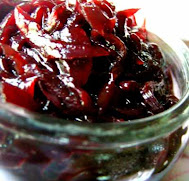
Common healthy spices include ginger, garlic, chilli, cinnamon, tumeric, black pepper, oregano, coriander, cumin, fenugreek and mustard. Spices add delicious flavour and aroma to food, and are primarily used to enhance the taste of food. If you are looking to change your eating habits to include more low fat, high fibre food and less salt, try cooking with Healthy Spices to compensate for flavour.
Spice up your life
- Spices compensate for flavour in low fat diets.
- Spices have potent anti-oxidant properties and could help slow down ageing.
- Spices can help boost your health.
- Spices have disease fighting properties.
- Spices can turn an ordinary meal into an extra-ordinary experience!
Health Benefits of Spices
As a food group, spices are high in antioxidants and therefore have many potential health benefits, including cancer and cardio-vascular disease prevention, as well as having anti-ageing properties. Studies have shown that you only need to eat small quantities of healthy spices to reap the benefits. Common Healthy Spices used in Cooking
- Mustard is a widely used spice, with known anti-cancer properties and high selenium and magnesium content. In Indian cooking, whole mustard seeds are used as a flavour base for a range of vegetable curries, by heating in a little oil until the seeds make a popping sound, and then adding the vegetable ingredients.
- Cayenne Pepper is a hot, fiery spice that is used extensively in Mexican and Indian cooking. The heat in cayenne pepper comes from a substance called capsaicin which is a potent anti-inflammatory agent. It also increases thermogenesis (heat production) and oxygen consumption which contributes to weight loss.
- Cardamom is a fragrant spice popular in Indian Cuisine. It is used to flavour curries, chai, rice puddings and chutneys. Among the health benefits claimed for this spice are that it detoxifies the body and cleanses the kidneys.
- Turmeric is a bright yellow spice well known as a curry flavouring. It is also used as a food colouring and has long been used in Chinese and Indian medicine as an anti-inflammatory agent to treat a wide variety of ailments including bowel disease, arthritis, and as a cancer preventative. The active ingredient in turmeric is a substance known as curcumin.
- Pepper is an extensively used spice both in Eastern and Western food. It has an impressive antioxidant and antibacterial effect and helps with digestion and weight loss because it stimulates the breakdown of fat cells.
- Cumin has a strong peppery flavour and is used widely in Middle Eastern, Mexican and Indian cooking. The seeds can be ground or used whole. It is a good source of iron, and has traditionally been used to aid digestion. Cumin seeds release their full aroma and flavour when lightly roasted.
- Cloves have an intense aromatic flavour and contain an active component called eugenol which has mild anaesthetic anti-inflammatory, and anti-bacterial properties. Cloves are used to flavour soups, broths and curries.
- Fenugreek has a powerful pungent, bittersweet flavour that is released when the small hard seeds are roasted. It is mainly used in curry powders and for making pickles. Studies have shown that it may help lower blood sugar levels in people with diabetes.
- Cinnamon is a common spice in many cultures and well known for it's musky sweet flavour. It can be used ground or whole, to flavour beverages, curries, rice dishes and desserts. The essential oils found in cinnamon give it anti-clotting and anti-microbial properties and recent studies have shown that it slows the rate at which the stomach empties after meals, reducing the rise in blood sugar after eating.
- Ginger is one of the most healthy spices available. It is a strong pungent spice, widely used in Asian stir fries and many fruit and vegetable dishes. It has long been used as a herbal medicine to relieve gastrointestinal distress and nausea, and in modern times has been shown to have anti-inflammatory and antioxidant effects. It is also used as a natural remedy for cold and flu symptoms and is thought to have immune boosting action.
- Garlic is a powerfully flavoured spice that improves the flavour of any dish, and has been used for centuries for it's therapeutic benefits. It is also counted amongst the list of most healthy spices. Garlic contains a number of sulfur compunds and also vitamin C, vitamin B6, selenium and manganese. Studies have shown that garlic helps prevent atherosclerosis, heart disease and potentially cancer as well. One of the most potent compunds in garlic is allicin, which has been shown to not only lower blood pressure, insulin and triglycerides, but also to prevent weight gain. Use garlic chopped, crushed, roasted or toasted in a little olive oil to turn an ordinary meal into an extraordinary cullinary experience.
- Oregano is a key ingredient in Mediterranean cuisine, and is used as a garnish, in salad dressing, or sauteed with other ingredients such as mushrooms or onions to add a subtle aromatic flavour to food. It is a nutrient dense spice with powerful anti-oxidant and anti-bacterial properties and been regarded as one of the healthy spices by the Mediterranean people for generations.

Tidak ada komentar:
Posting Komentar